
Stories, reflections & ideas
Insights on Islamic scholarship, spirituality, history, and modern living — written to inform, inspire, and connect.
93 of 93 articles
 spirituality
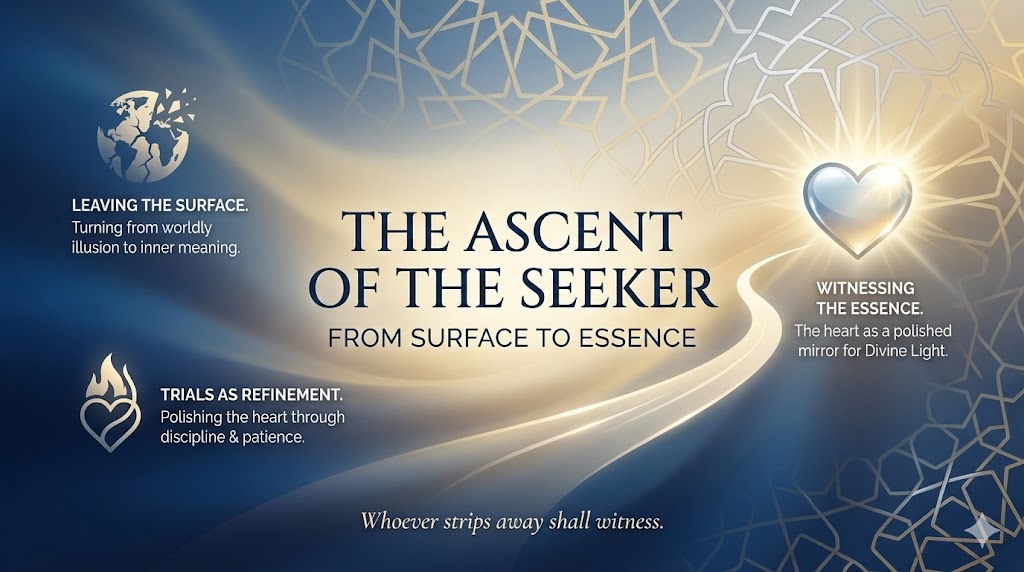
The Ascent of the Seeker: From Surface to Essence
A profound map of the soul’s journey — from restlessness and struggle to sincerity, gnosis, and complete surrender to Allah.
Read Article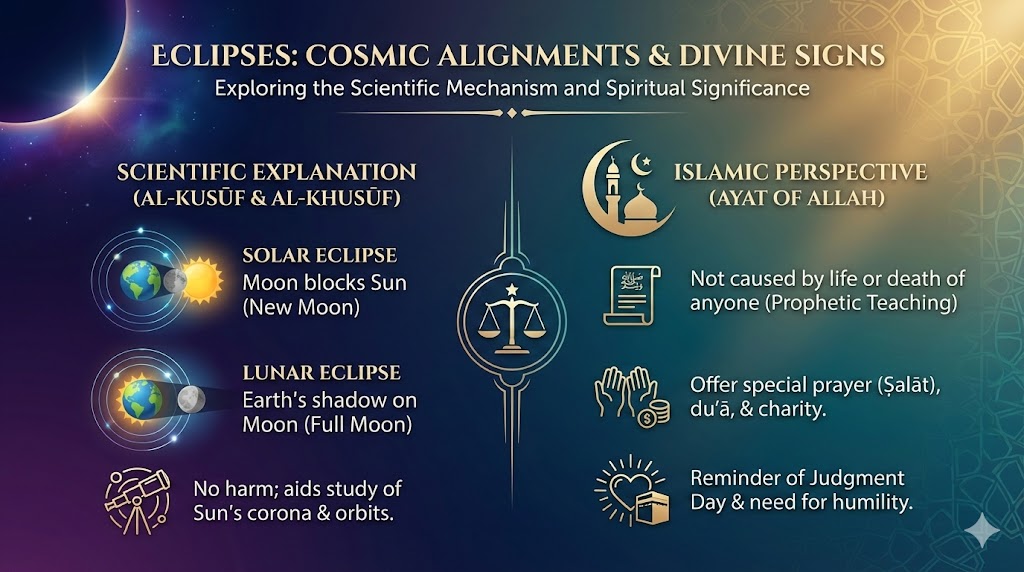 global affairs
A Betrayal of Palestine in the Name of “Peace”
A joint declaration framed as diplomacy reveals a familiar pattern: peace language used to legitimize occupation, dilute justice, and normalize betrayal.
Read Article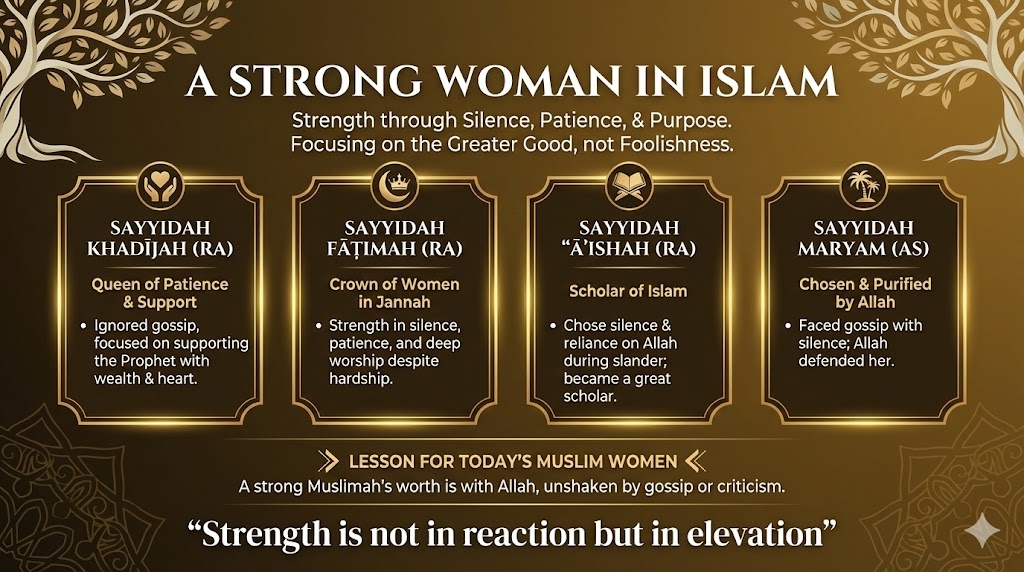 history
A Strong Woman: Strength in Silence and Purpose
True strength is not loud resistance but quiet elevation. The lives of noble women in Islam show that dignity, patience, and focus on Allah outshine gossip and harm.
Read Article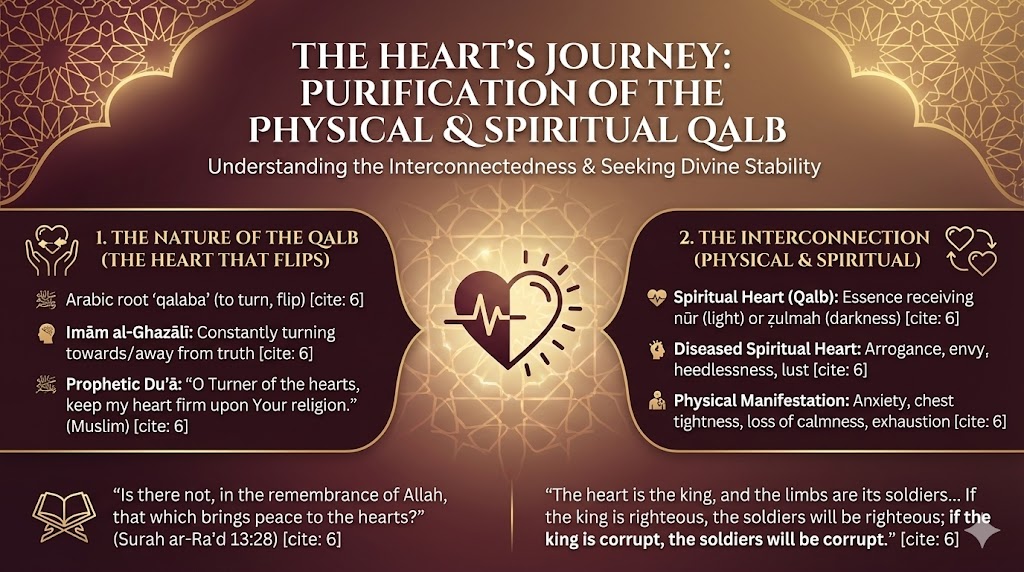 spirituality
The Heart’s Journey: Purification of the Physical and Spiritual Heart
In Islam, the heart is not static — it turns, flips, and transforms. Understanding the qalb is the first step toward true purification and nearness to Allah.
Read Article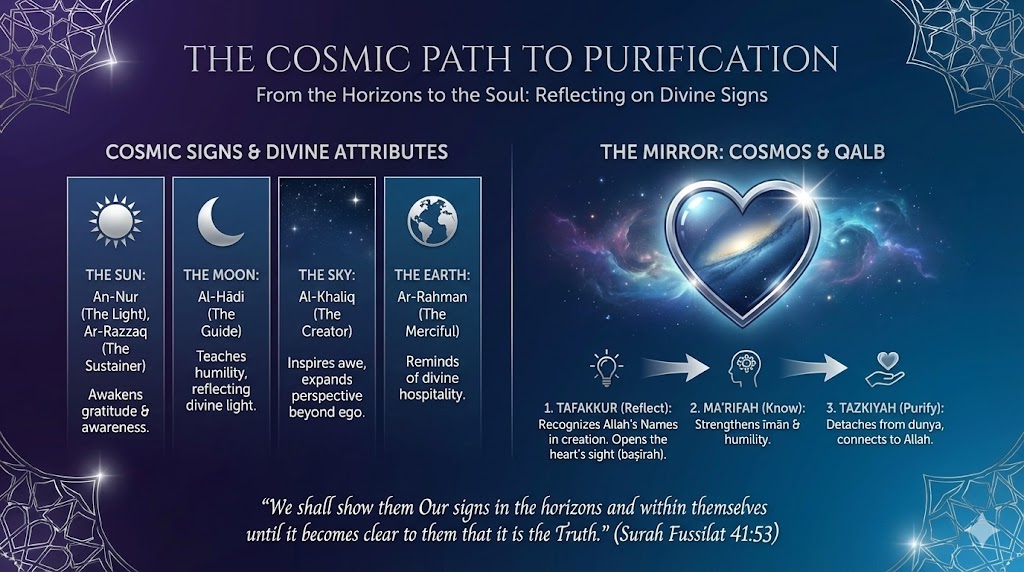 spirituality
The Cosmic Path to Purification
The Qur’an guides the soul to purification through reflection on the universe. By contemplating creation, the heart is humbled, illuminated, and led back to Allah.
Read Article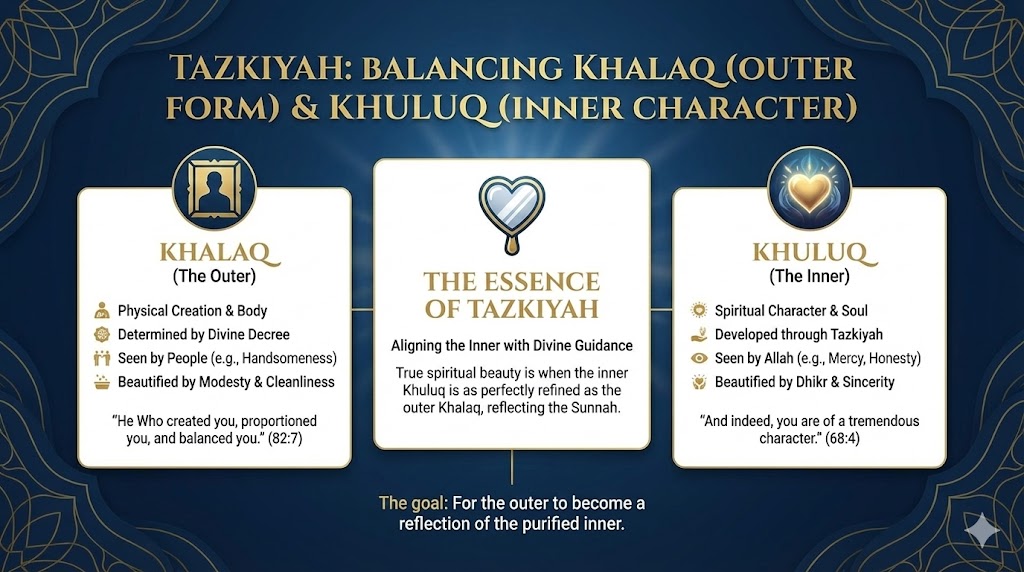 spirituality
The Difference Between Khalaq and Khuluq in the Path of Tazkiyah
Islam distinguishes between outer creation and inner character. Understanding the difference between khalaq and khuluq reveals where true spiritual beauty lies.
Read Article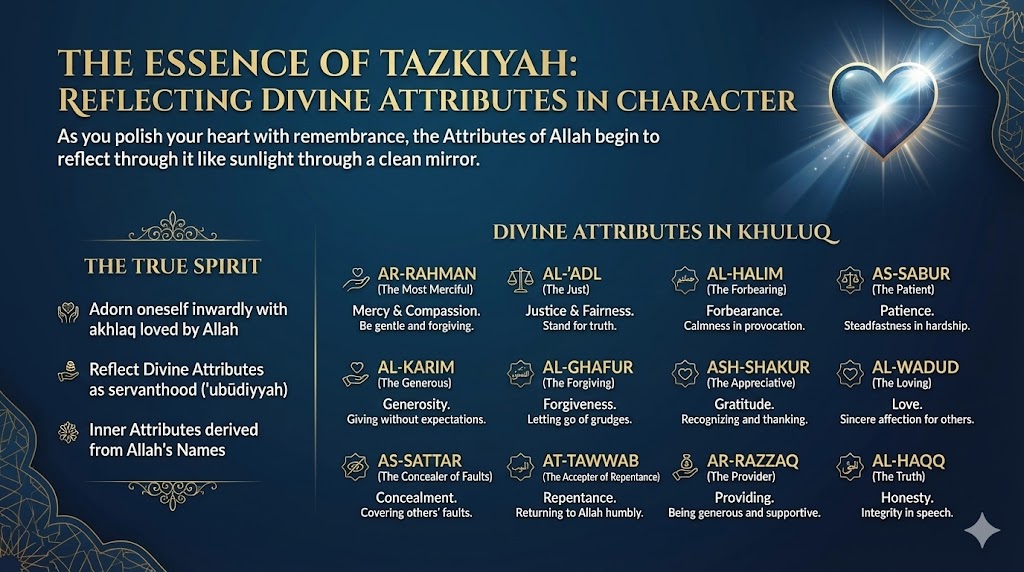 tazkiyah
The Divine Attributes Reflected in the Purified Khuluq
Tazkiyah is not imitation of divinity, but reflection of servanthood. When khuluq is purified, the heart mirrors the attributes Allah loves.
Read Article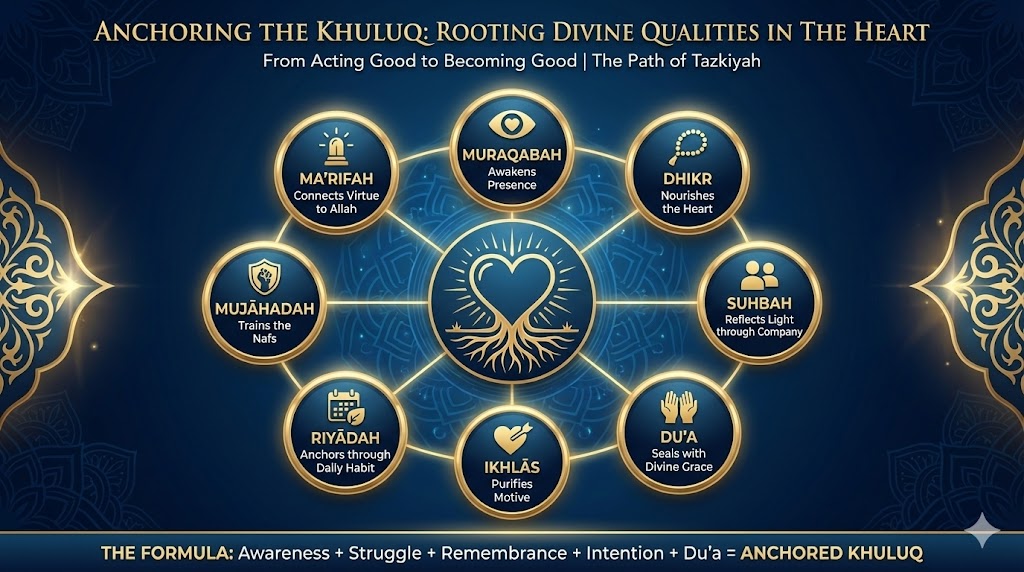 tazkiyah
Anchoring the Khuluq: From Action to State
True tazkiyah is not acting good temporarily, but becoming good permanently. Anchoring khuluq transforms divine qualities into the soul’s natural state.
Read Article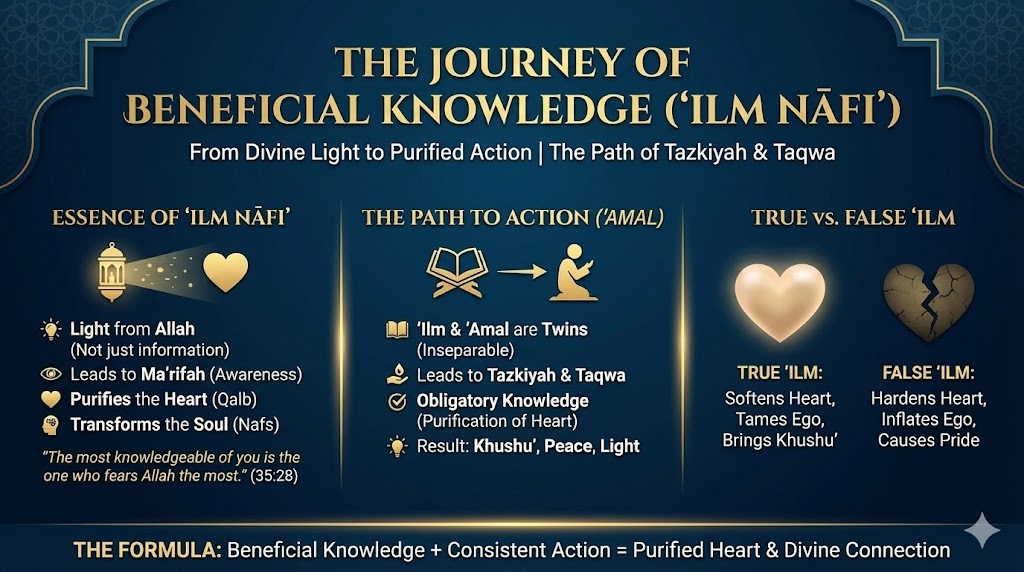 spirituality
Beneficial Knowledge: From Illumination to Transformation
In Islam, knowledge is not information—it is light. Beneficial ‘ilm awakens ma‘rifah, softens the qalb, disciplines the nafs, and must lead to ‘amal and taqwa.
Read Article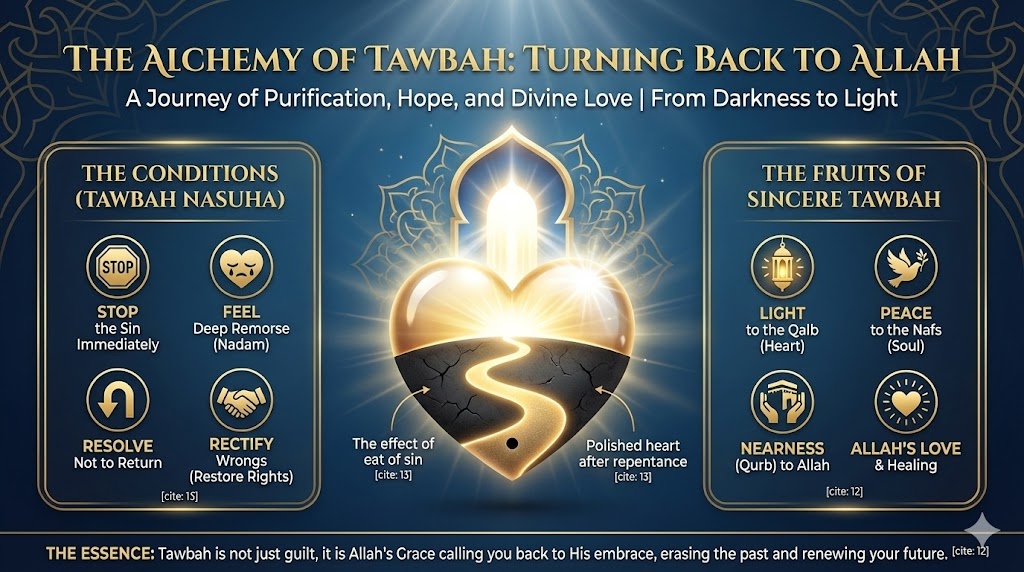 tazkiyah
The Alchemy of Tawbah: Turning Back to Allah
Tawbah is not guilt—it is divine alchemy. Born from true ‘ilm, it begins with remorse, ends with renewal, and polishes the heart from the stains of sin.
Read Article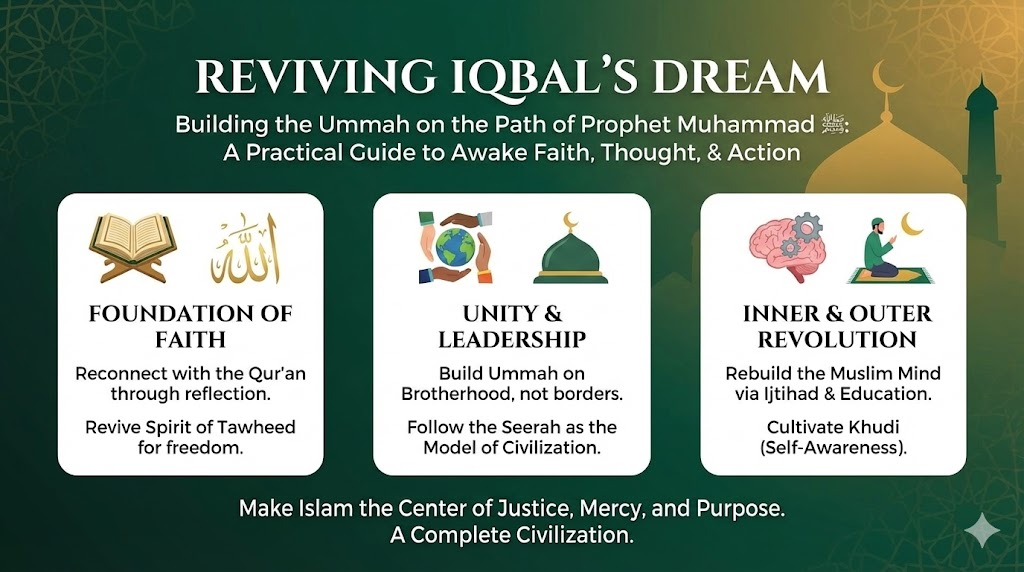 revival
Reviving Iqbal's Dream: 7 Principles to Awaken Faith, Thought and Action
Iqbal’s revival was not poetry alone—it was a blueprint. These seven principles reconnect the Ummah to Qur’an, Tawheed, Seerah, unity, education, inner revolution, and Islam as a living civilization.
Read Article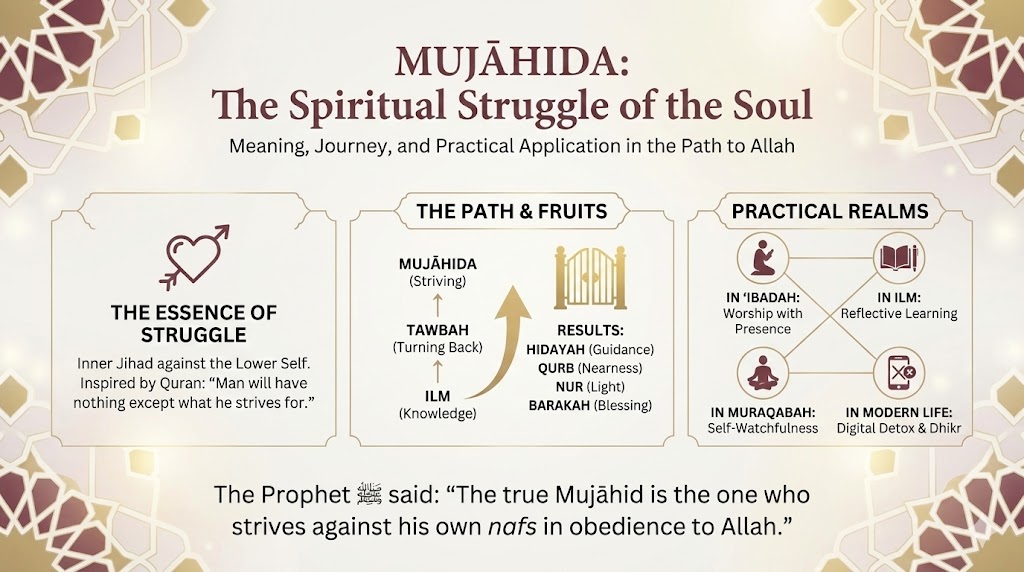 spirituality
Mujāhida: The Struggle of the Soul
Mujāhida is the inner jihād—striving against the nafs so the heart is purified and drawn nearer to Allah. Without struggle, there is no tazkiyah, no taqwa, and no qurb.
Read Article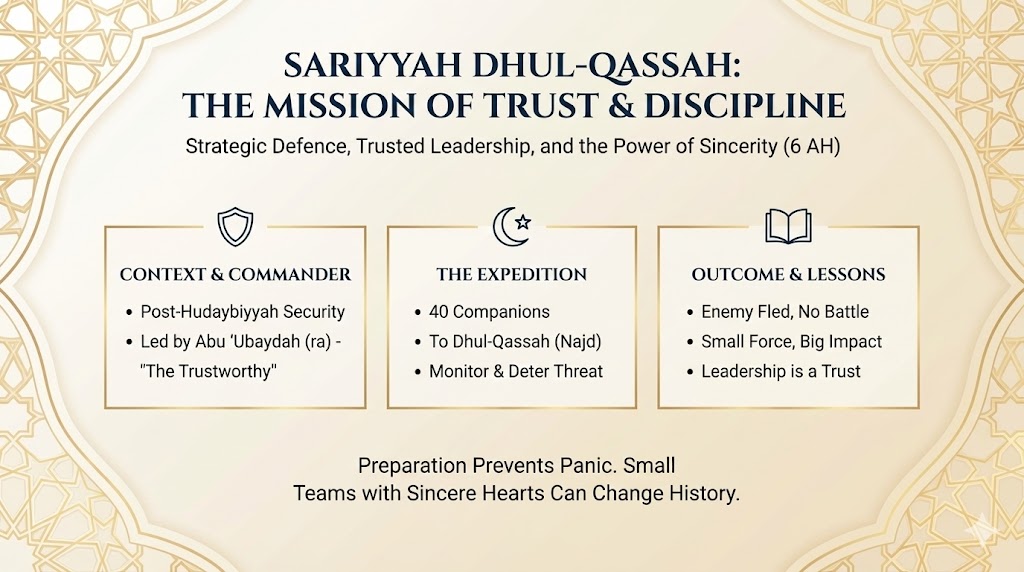 seerah
Sariyyah Dhul-Qassah: The Mission of Trust and Discipline
A small detachment, a major lesson: trust in leadership, preparation over panic, and defense without aggression. Dhul-Qassah shows how sincerity and discipline protect the Ummah.
Read Article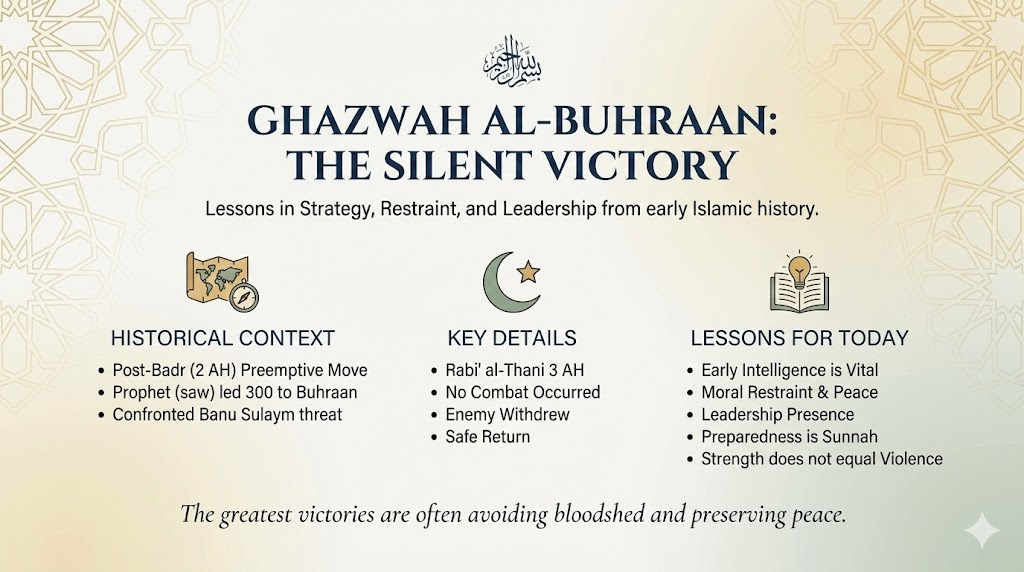 seerah
Lessons from Ghazwah al-Buhrāan: The Silent Victory
Victory is not always on the battlefield. Buhrāan teaches intelligence, restraint, unity, and leadership readiness—winning by preventing harm and preserving the community.
Read Article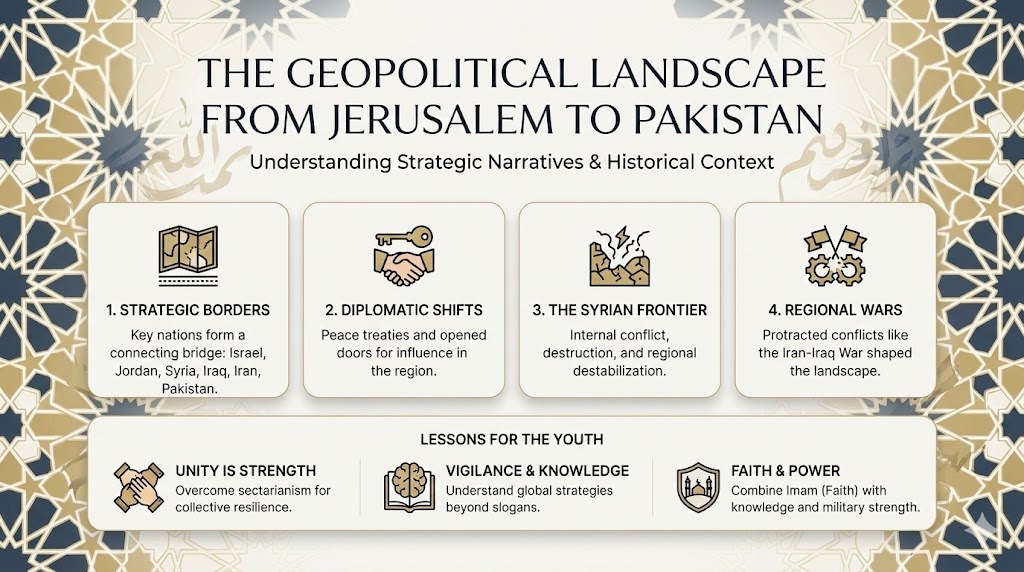 geopolitics
The Road from Jerusalem to Pakistan: A Story of Strategy and Betrayal
Geography can shape destiny. This map-driven lesson traces how regional shifts, wars, and alliances created corridors of influence—and why Muslim youth must unite with iman, power, and awareness.
Read Article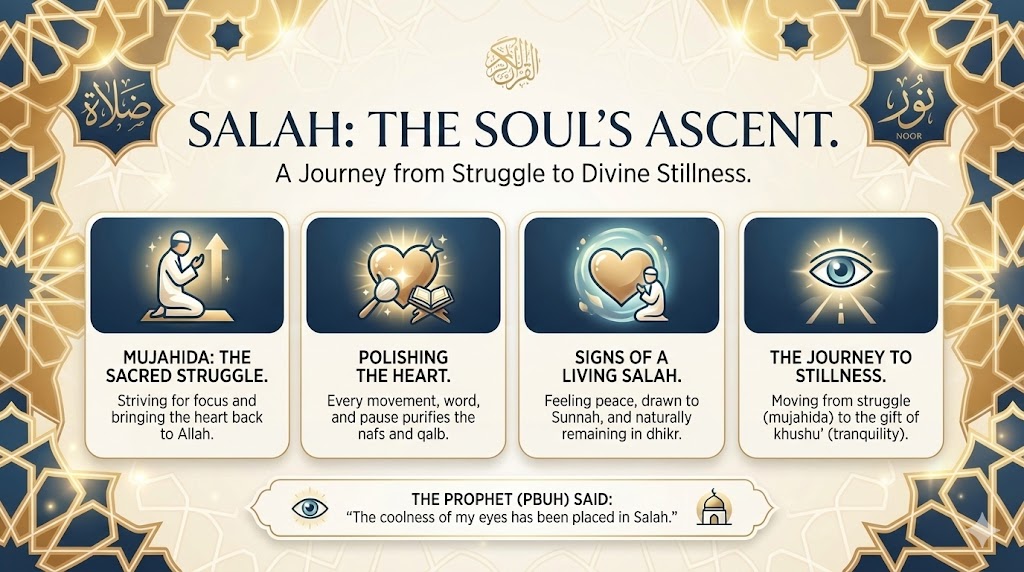 spirituality
Salah - Namaz : The Soul’s Ascent to Allah
Ṣalāh is the believer’s Miʿrāj—an appointment with Allah that polishes the heart, restrains wrongdoing, and turns daily worship into a living ascent of the soul.
Read Article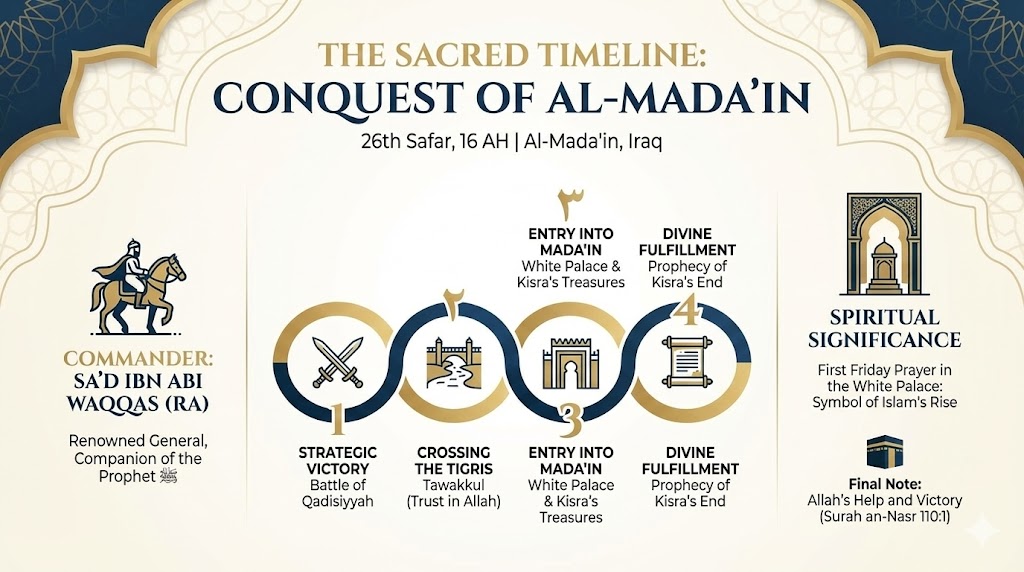 history
Madā'in: The First Jumu'ah in the Palace of Kings
On 26 Ṣafar, 16 AH, Sa'd ibn Abī Waqqāṣ conquered the Persian capital and led Jumu'ah prayer in the White Palace—marking the fall of an empire and the rise of Tawḥīd.
Read Article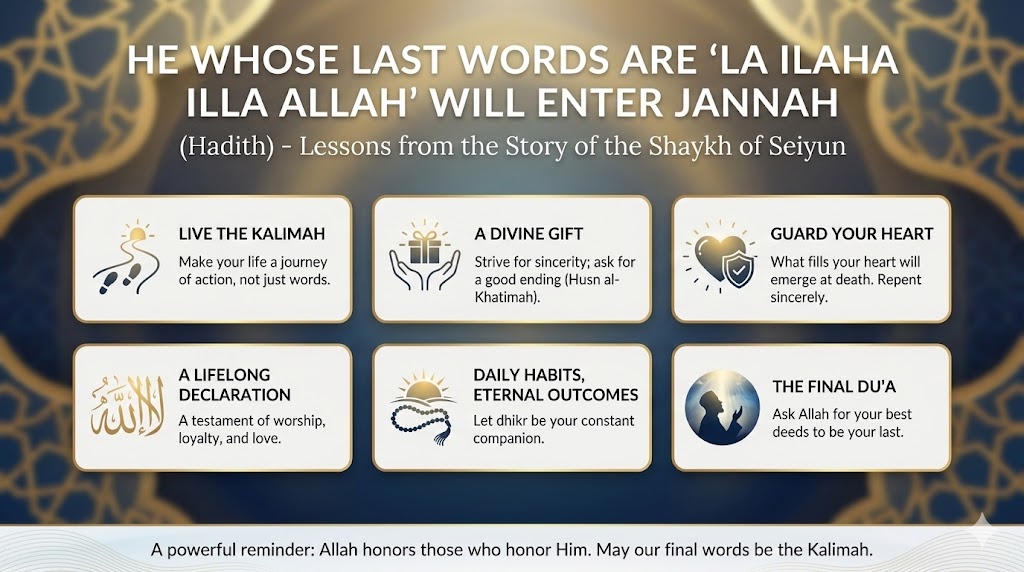 spirituality
The Story of the Shaykh of Seiyun: Dying Upon What You Lived
A teacher paused mid-hadith at "La ilaha illa Allah"—and his soul departed. A powerful reminder that we die upon what we truly lived.
Read Article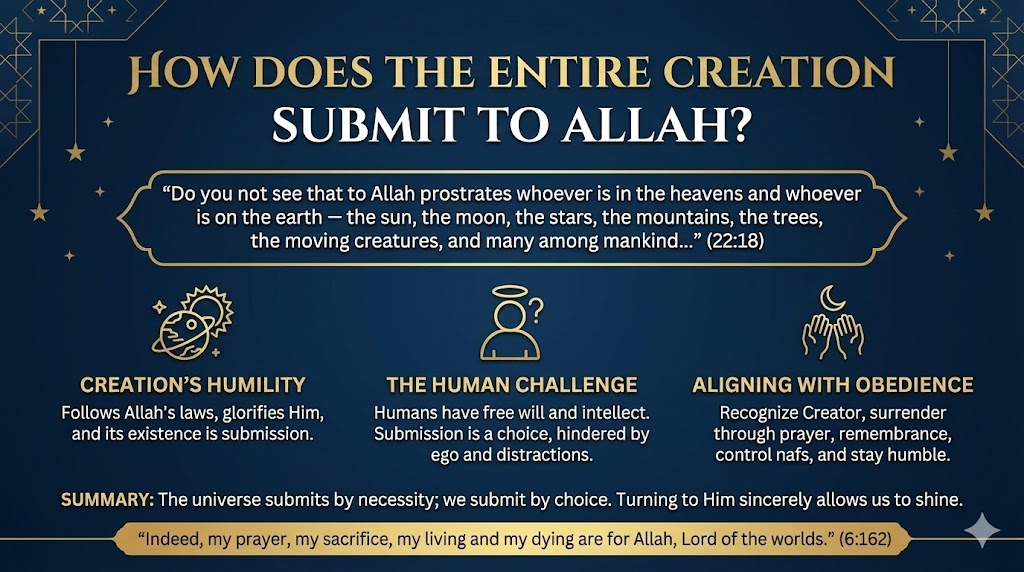 spirituality
How the Entire Creation Submits to Allah
From the sun and stars to trees and mountains, all creation submits to Allah by design. Humans alone choose—making obedience a path to elevation or rebellion a cause of downfall.
Read Article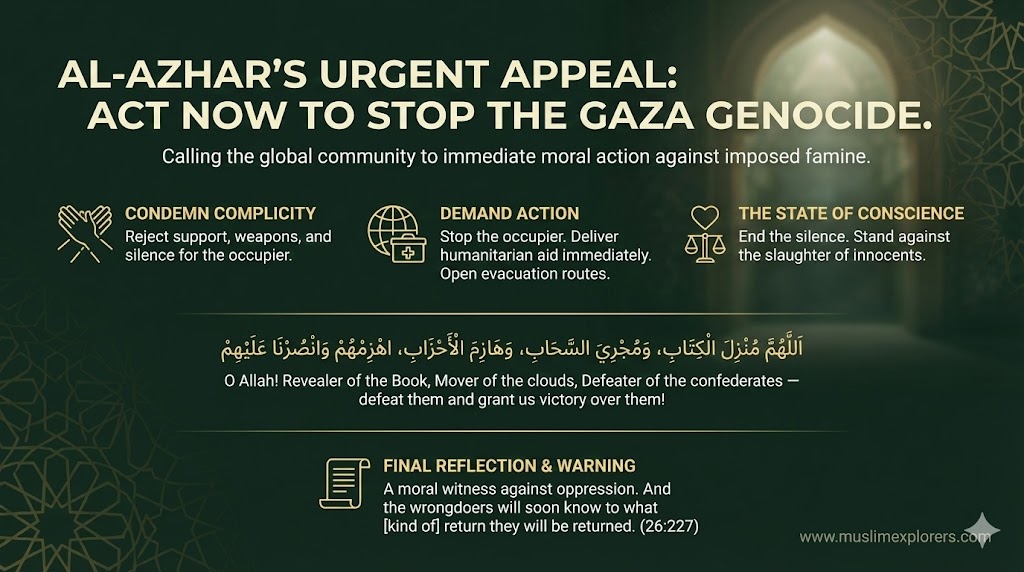 current affairs
Al-Azhar’s Urgent Appeal: Act Now to Stop the Genocide in Gaza
Al-Azhar issues a moral and Qur’anic warning to the world, condemning complicity in Gaza’s starvation and calling for immediate action to end oppression and save innocent lives.
Read Article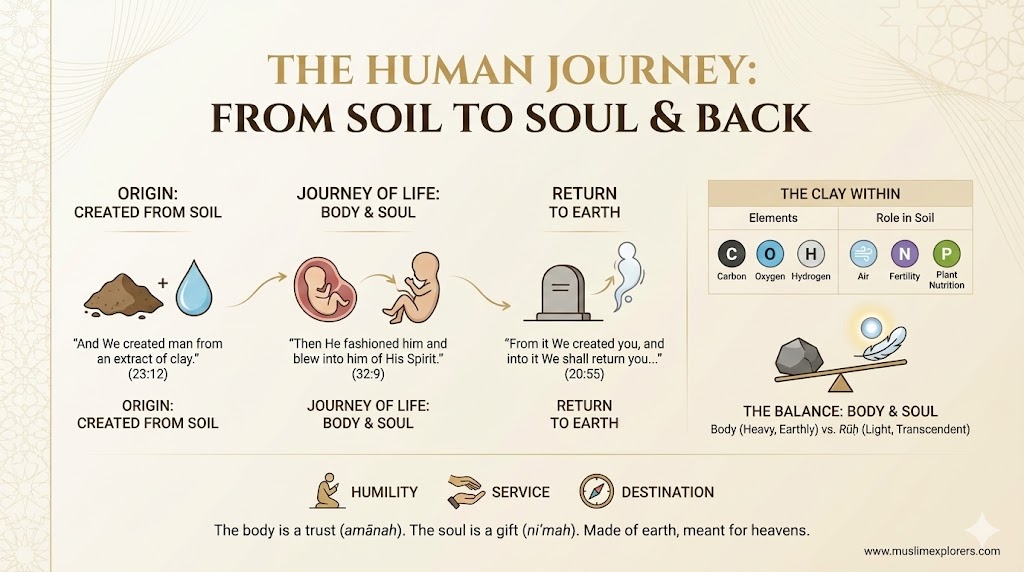 spirituality
The Human Journey: From Soil to Soil
Created from clay and returned to earth, the human journey reveals a profound balance between body and soul—reminding us of humility, responsibility, and our final return.
Read Article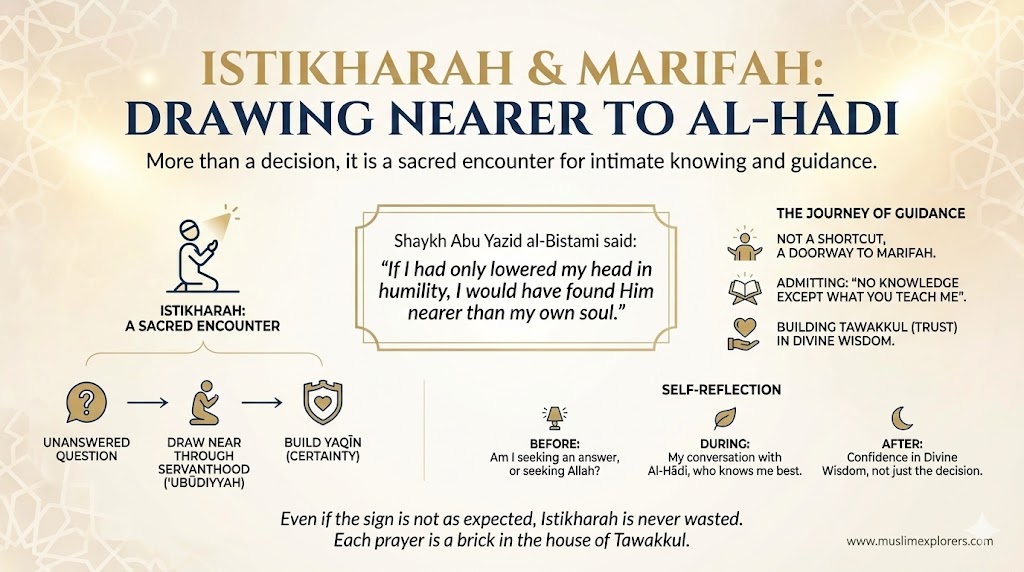 spirituality
Istikhārah & Maʿrifah: Drawing Closer to al-Hādī
Istikhārah is not merely about decisions—it is a doorway to maʿrifah, humility, and deep trust in Allah, the One who never misguides.
Read Article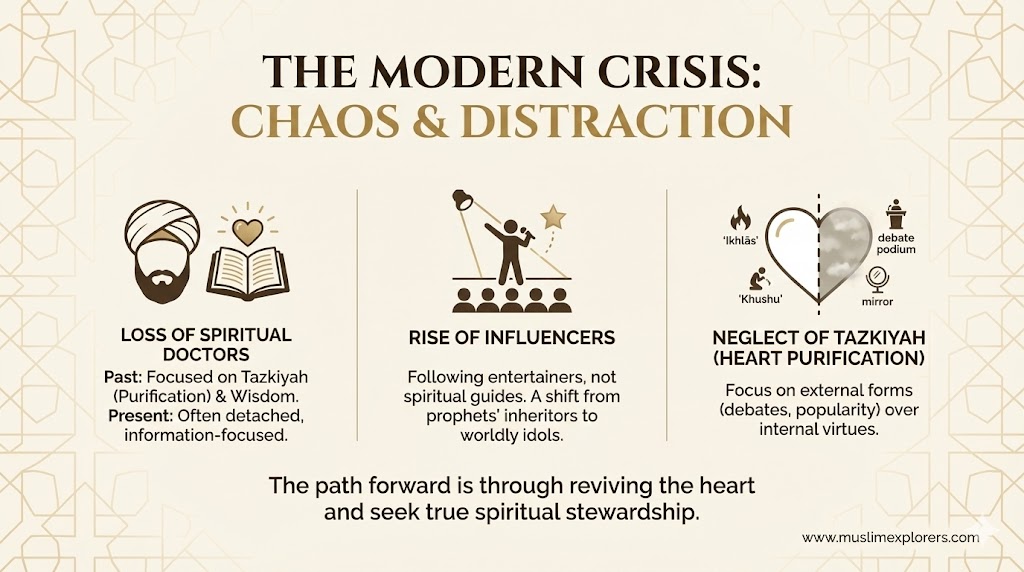 revival
Why Is There So Much Chaos and Distraction Today?
The chaos of our age is rooted in the loss of spiritual leadership, neglect of heart purification, and a culture that values fame over faith.
Read Article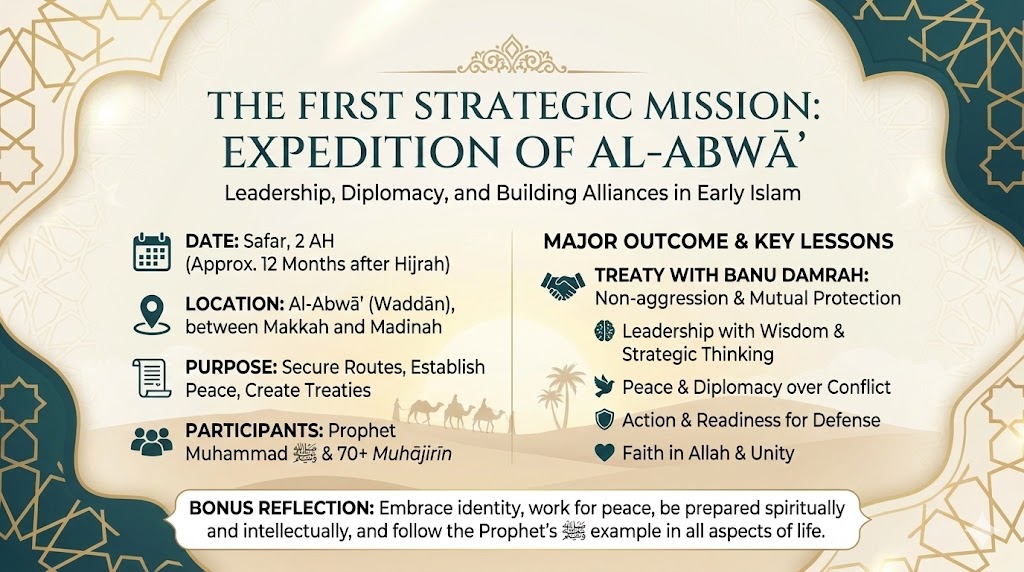 seerah
The Expedition of al-Abwāʾ (Waddān): Leadership Before War
The first expedition led by the Prophet ﷺ after Hijrah teaches youth wisdom, diplomacy, preparation, and faith before conflict.
Read Article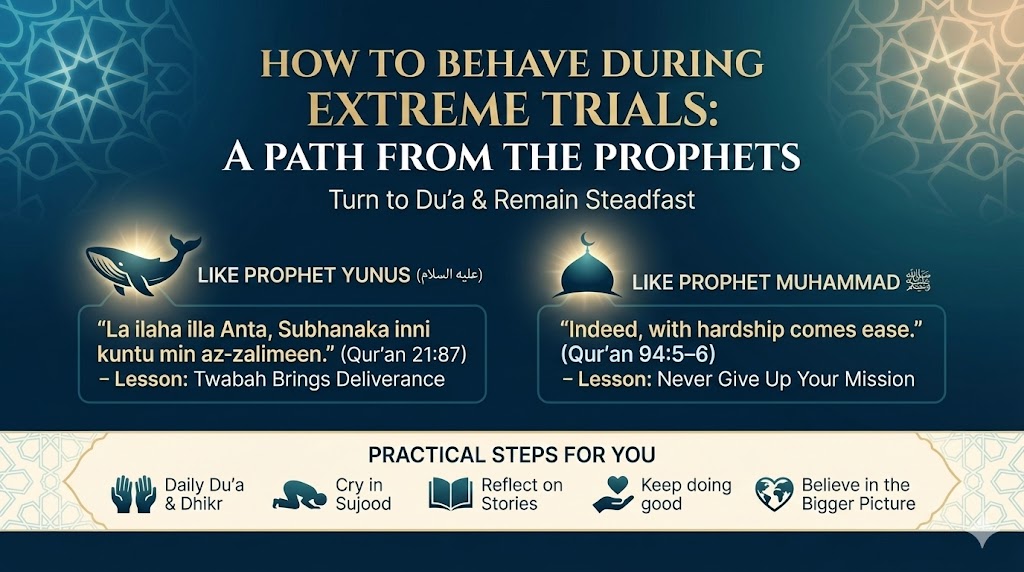 spirituality
How to Behave During Extreme Trials: Lessons from the Prophets
When life feels crushing and hopeless, the Prophets showed humanity how to endure trials with patience, trust, du‘ā, and unwavering faith. Their responses remain a timeless roadmap for believers facing hardship.
Read Article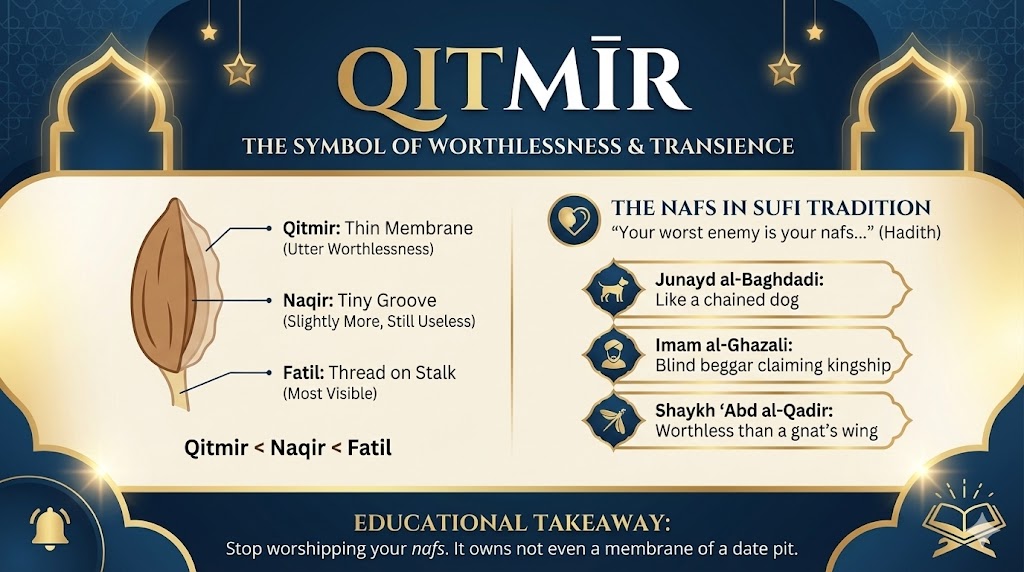 aqeedah
Qiṭmīr: The Symbol of Worthlessness, Ego, and Transience
Qiṭmīr—the thin membrane of a date seed—is used in the Qur’an to expose the absolute worthlessness of false gods, the ego, and worldly illusions. A single word that dismantles pride, idolatry, and self-worship.
Read Article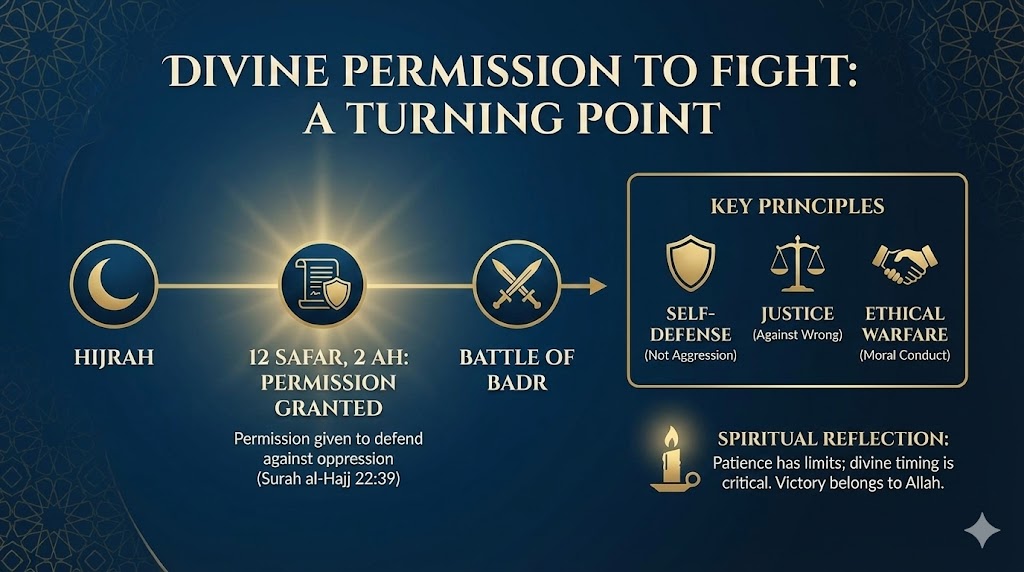 history
The First Divine Permission to Fight: A Turning Point in Islamic History
On 12 Ṣafar, 2 AH, Allah granted Muslims permission to fight back after years of persecution. This revelation established the principle of justice-based, ethical self-defense and reshaped the course of Islamic history.
Read Article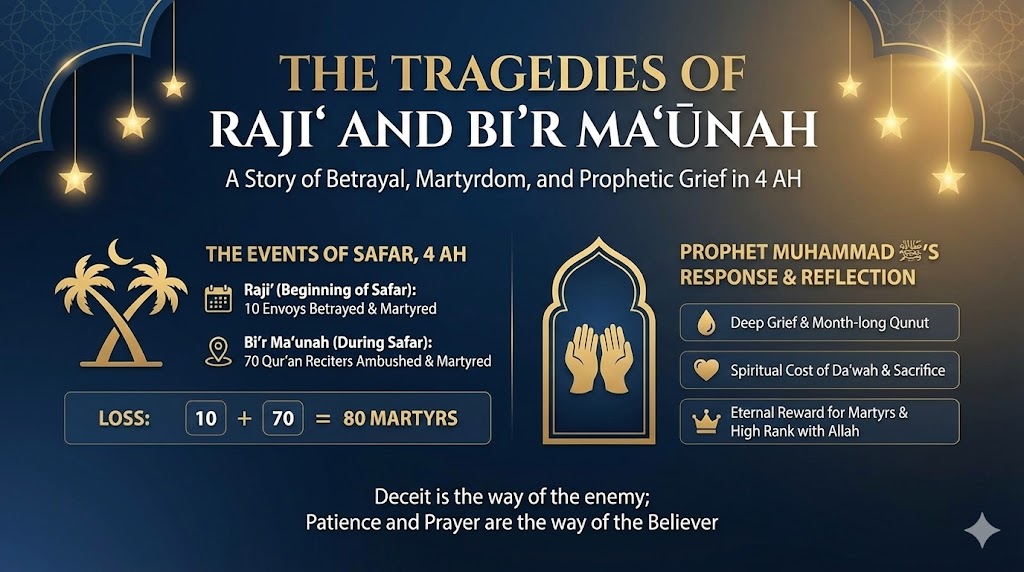 history
The Tragedies of Rajīʿ and Bi’r Maʿūnah: Betrayal, Da‘wah, and Martyrdom
In Ṣafar, 4 AH, two devastating betrayals—Rajīʿ and Bi’r Maʿūnah—claimed the lives of Allah’s most devoted servants. These tragedies reveal the cost of da‘wah, the pain of treachery, and the eternal honor of martyrdom.
Read Article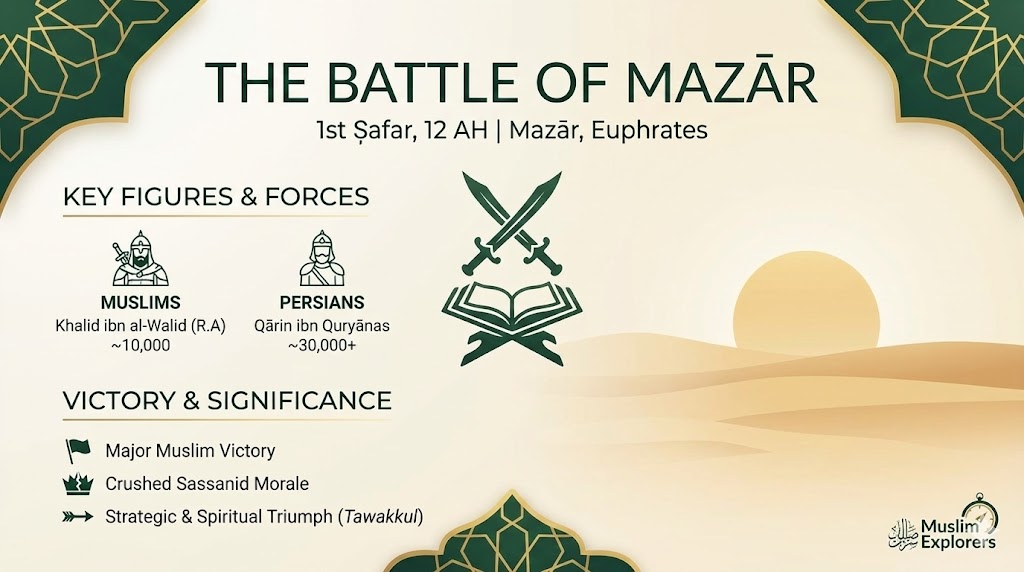 history
The Battle of Mazār: When Faith and Strategy Crushed an Empire
On the 1st of Ṣafar, 12 AH, a decisive battle unfolded at Mazār between the Muslims led by Khālid ibn al-Walīd and the mighty Sassanid forces. This victory shattered Persian confidence and marked the beginning of their collapse in Iraq.
Read Article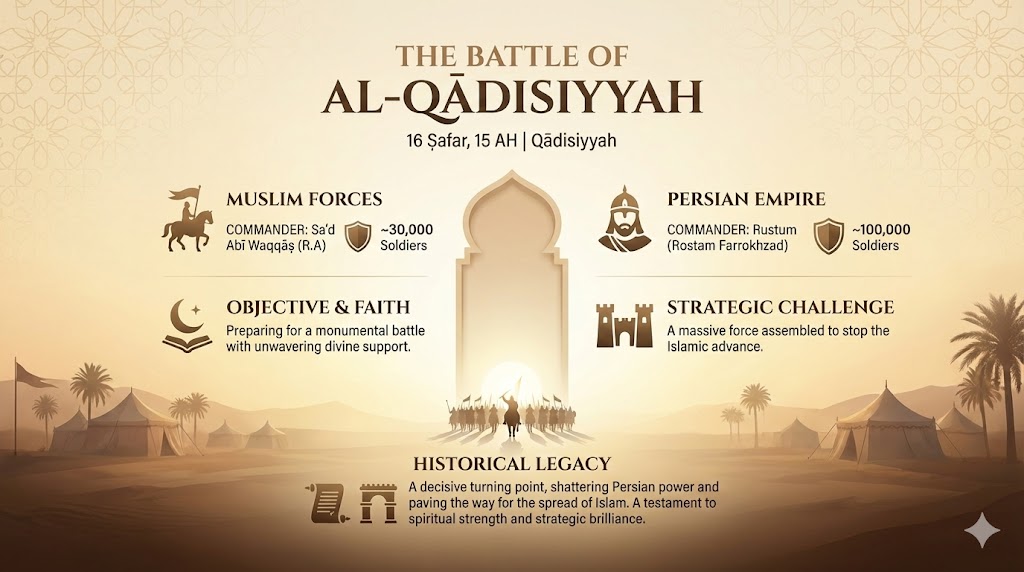 history
Sa‘d ibn Abī Waqqāṣ at Qādisiyyah: The Camp That Changed History
On 16 Ṣafar, 15 AH, Sa‘d ibn Abī Waqqāṣ (R.A.) arrived at Qādisiyyah, establishing the strategic base that would soon witness one of the most decisive battles in Islamic history.
Read Article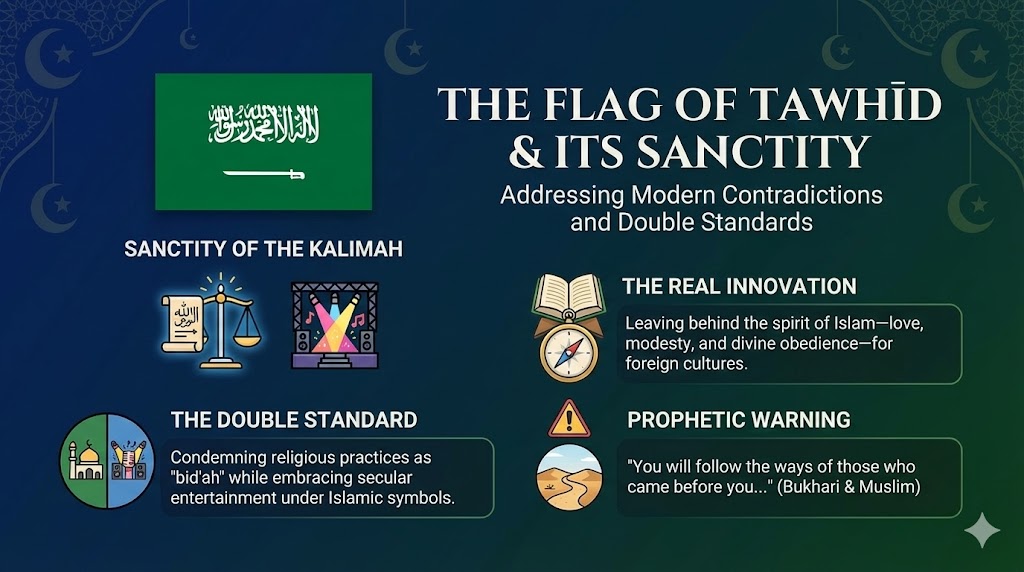 spirituality
Raves, Entertainment, and the Erosion of Tawḥīd
When sacred symbols of Islam are used to promote open sin while devotion is condemned as innovation, society reveals a profound spiritual inversion.
Read Article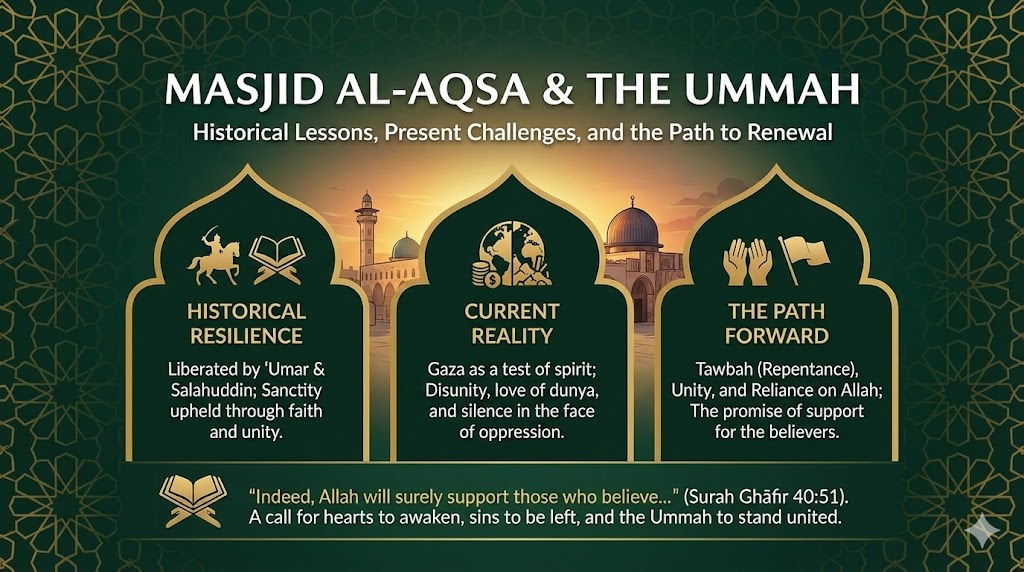 current affairs
Al-Aqsa, Gaza, and the Wake-Up Call to the Ummah
Gaza and Masjid al-Aqsa are not isolated tragedies — they are mirrors reflecting the spiritual and political condition of the Muslim Ummah.
Read Article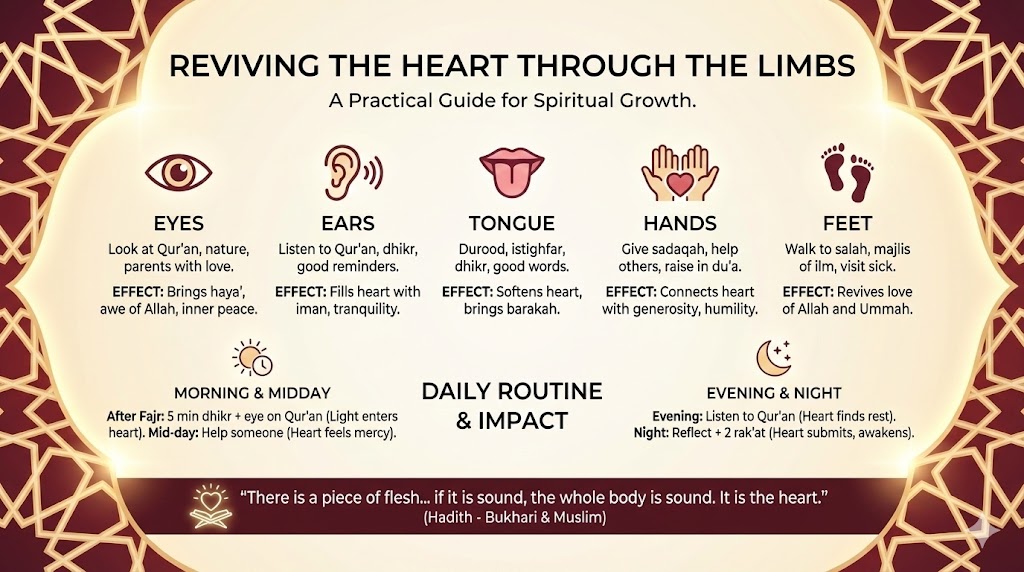 spirituality
How the Limbs Harden — or Revive — the Heart
Every limb either darkens the heart through sin or revives it through obedience. The body and soul are inseparably linked.
Read Article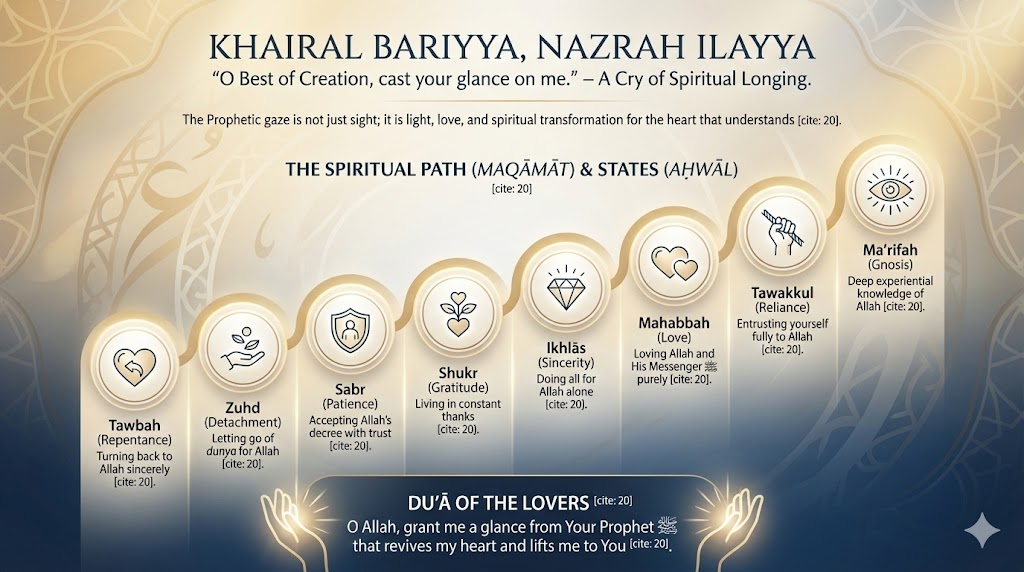 spirituality
Khairal Bariyya, Nazrah Ilayya: The Lovers’ Prayer and the Secret of a Prophetic Glance
“O Best of Creation, cast your glance on me.” This longing from the hearts of lovers explains why the gaze of the Prophet ﷺ is described as mercy, light, and spiritual transformation—and how love becomes a station that opens hidden doors to Allah.
Read Article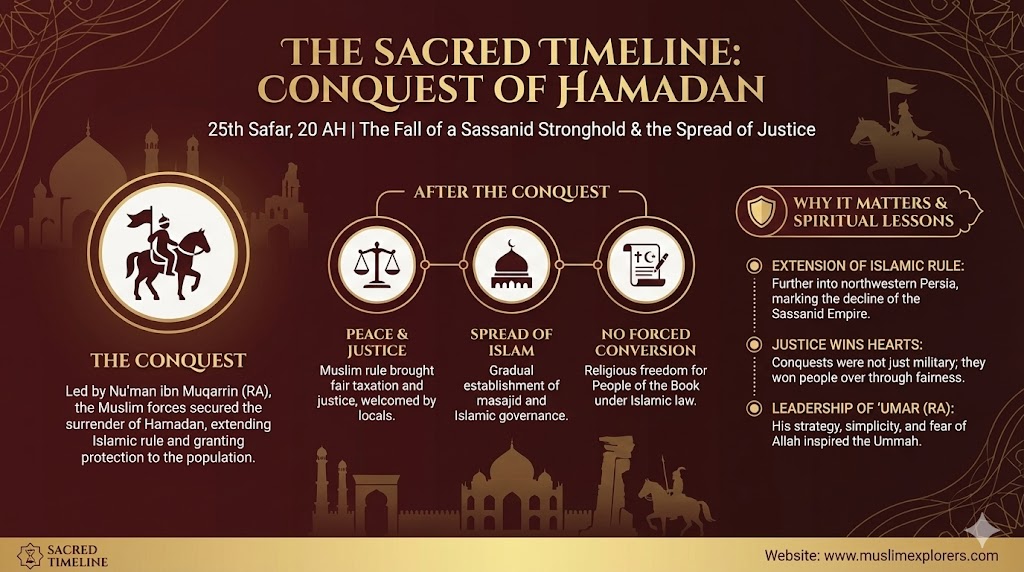 history
Hamadan Conquered: Justice That Won Hearts in Persia
On 25 Ṣafar, 20 AH, Hamadan—an ancient Persian stronghold—came under Islamic rule. Beyond military victory, it signaled the spread of justice, protection, and the universal mission of Tawḥīd.
Read Article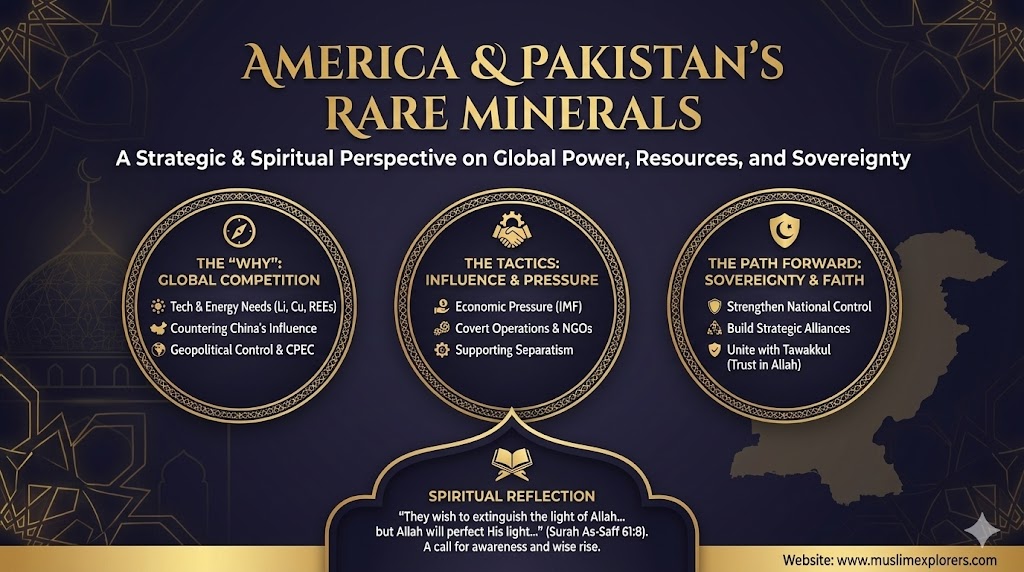 current affairs
Why America Is Interested in Pakistan’s Rare Minerals
Pakistan’s rare earths and strategic minerals are the “21st-century oil.” Whoever controls them controls technology, defense, and global trade—making Pakistan a target for influence, pressure, and destabilization.
Read Article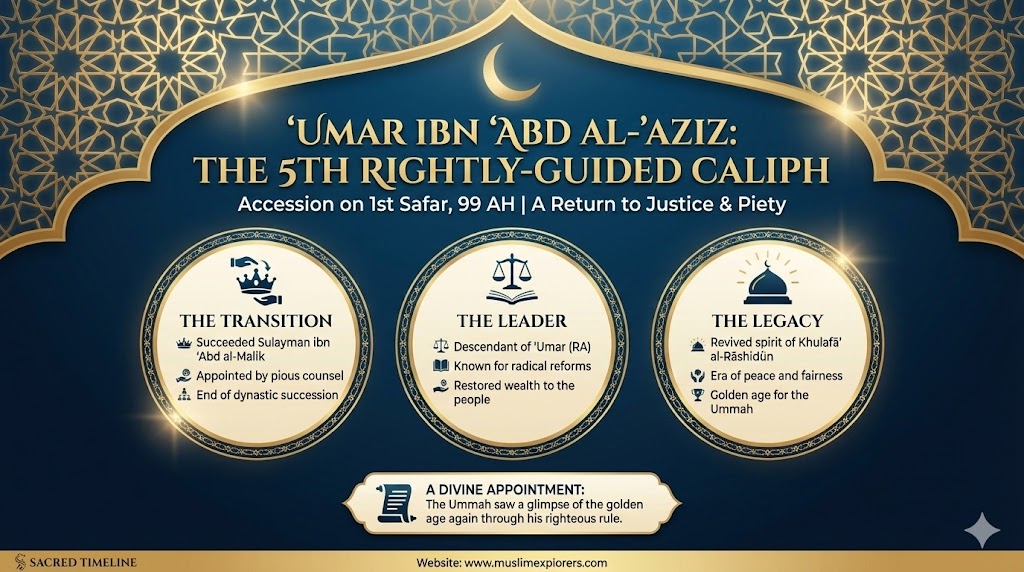 history
From Royalty to Righteousness: The Death of Sulaymān and the Rise of ‘Umar ibn ‘Abd al-‘Azīz
On 1 Ṣafar 99 AH, Caliph Sulaymān ibn ‘Abd al-Malik passed away—opening the door for ‘Umar ibn ‘Abd al-‘Azīz to lead. His rule revived justice and the spirit of the Rightly Guided Caliphs.
Read Article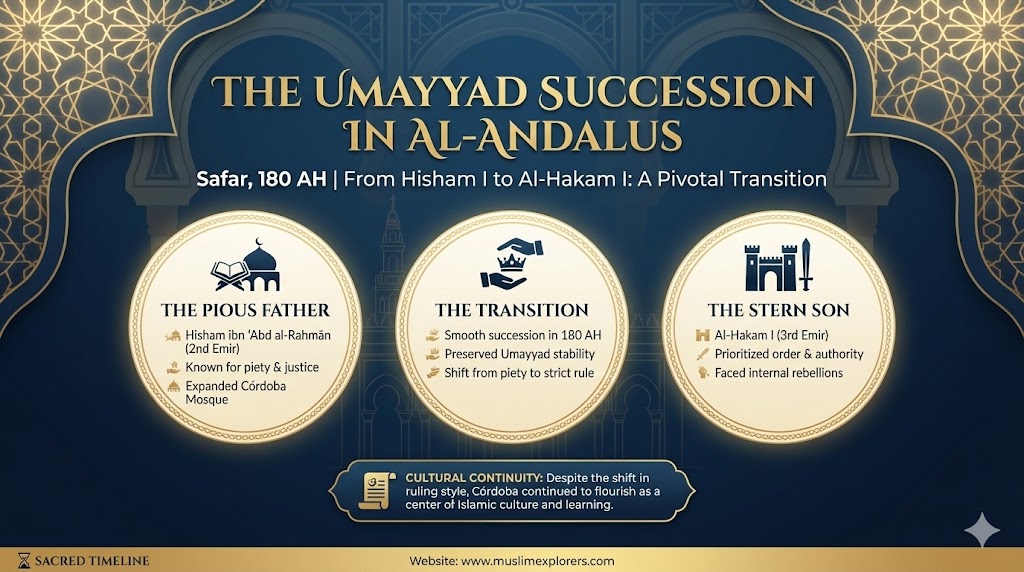 history
Hishām of Córdoba: Piety, Stability, and the Succession of al-Ḥakam I
Hishām ibn ‘Abd al-Raḥmān, the 2nd Emir of Córdoba, was known for piety and scholarship. After his death in Ṣafar 180 AH, his son al-Ḥakam I inherited a state preserved—yet tested.
Read Article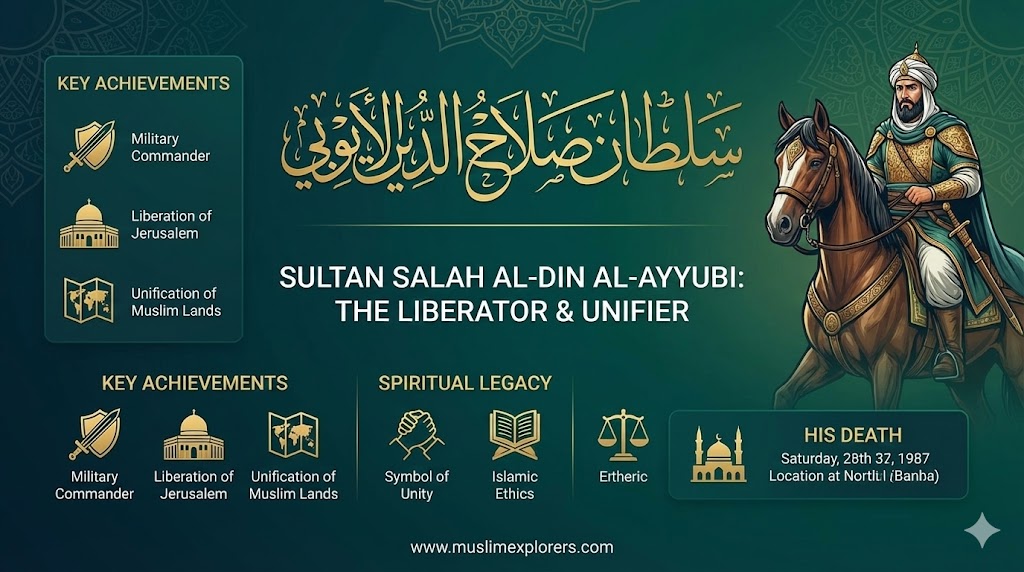 history
Ṣalāḥ al-Dīn al-Ayyūbī: The Liberator of Jerusalem and Model of Muslim Leadership
On 1 Ṣafar 589 AH (4 March 1193 CE), Ṣalāḥ al-Dīn passed away in Damascus—leaving behind unity, justice, and a legacy of liberation rooted in Islamic ethics.
Read Article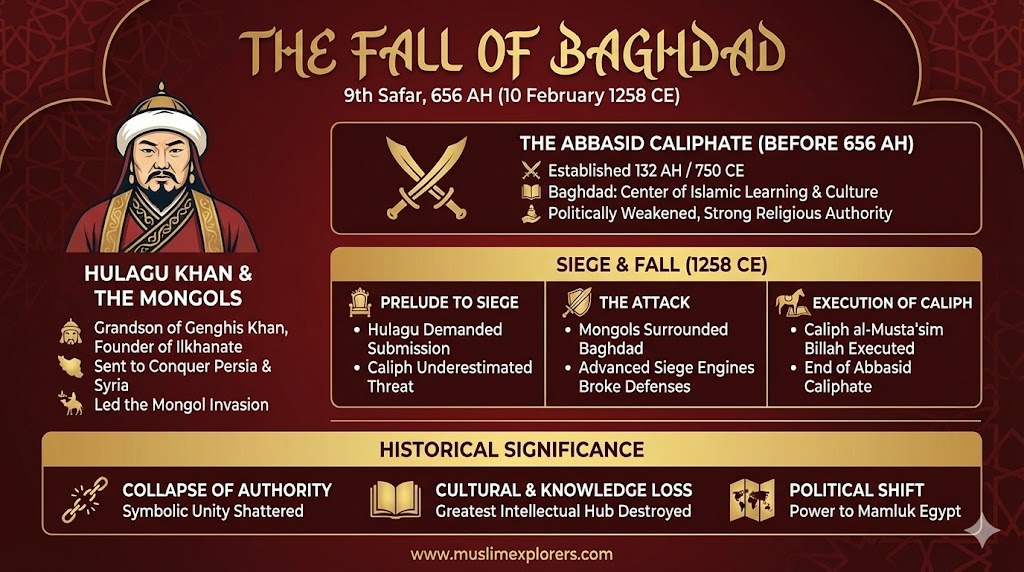 history
The Fall of Baghdad: Hulagu Khan and the End of the Abbasid Caliphate
On 9 Ṣafar 656 AH, Hulagu Khan entered Baghdad, executed the Abbasid Caliph, and ended centuries of central Islamic authority—marking one of the darkest tragedies in Muslim history.
Read Article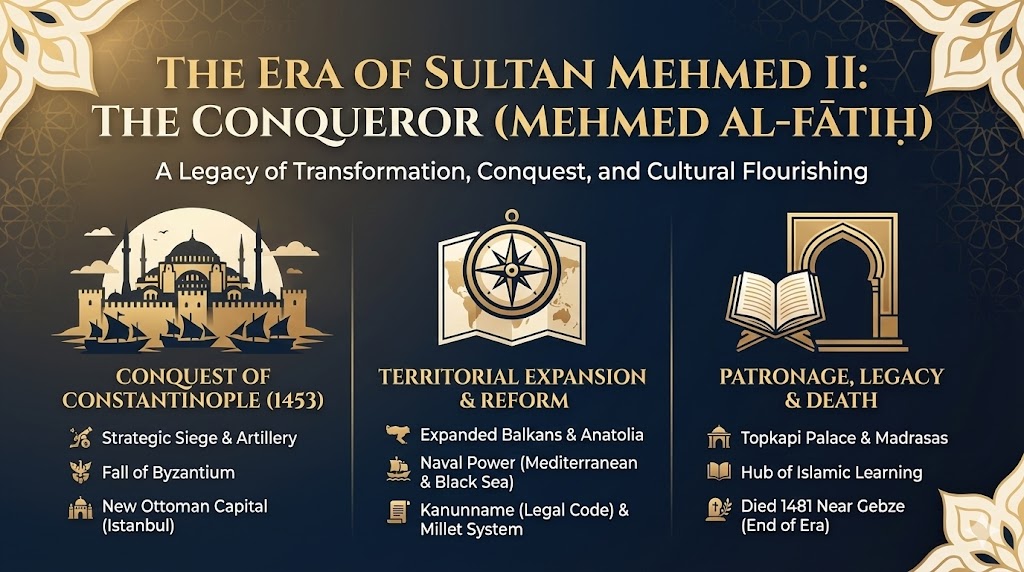 history
Mehmed al-Fātiḥ: The Conqueror of Constantinople and Architect of an Empire
Between 17–19 Ṣafar 886 AH, Sultan Mehmed II passed away—leaving behind the conquest of Constantinople, imperial reforms, and an Islamic civilization that bridged East and West.
Read Article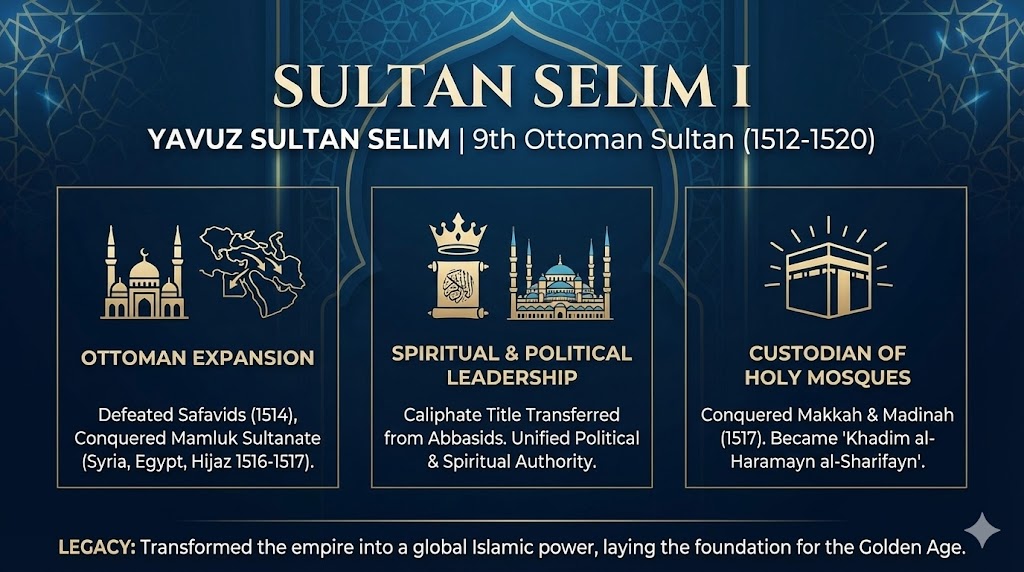 history
Sultan Selim I Ascends: The Rise of an Ottoman Caliph and a Global Islamic Shift
On 7 Ṣafar 918 AH, Sultan Selim I ascended the Ottoman throne. Within eight years, he transformed the empire into a global Islamic power, secured the Hijaz, and became custodian of the Two Holy Mosques.
Read Article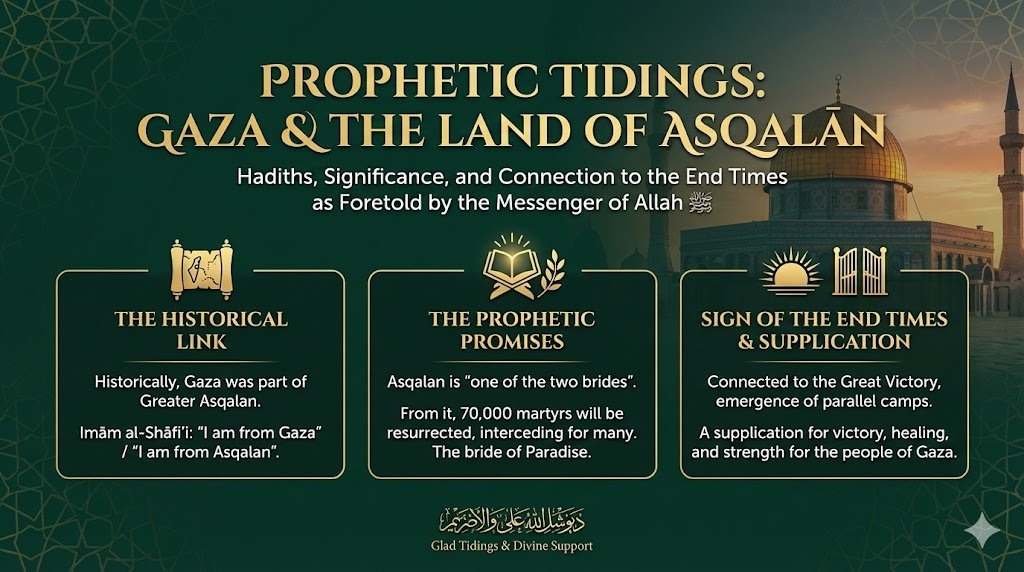 current affairs
Prophecies about Gaza and ʿAsqalān: Glad Tidings for the Patient in the End Times
A collection of narrations about ʿAsqalān (historically tied to Gaza) describes martyrs, resurrection without reckoning, and immense reward—offering hope and steadfastness to the oppressed in decisive end-times days.
Read Article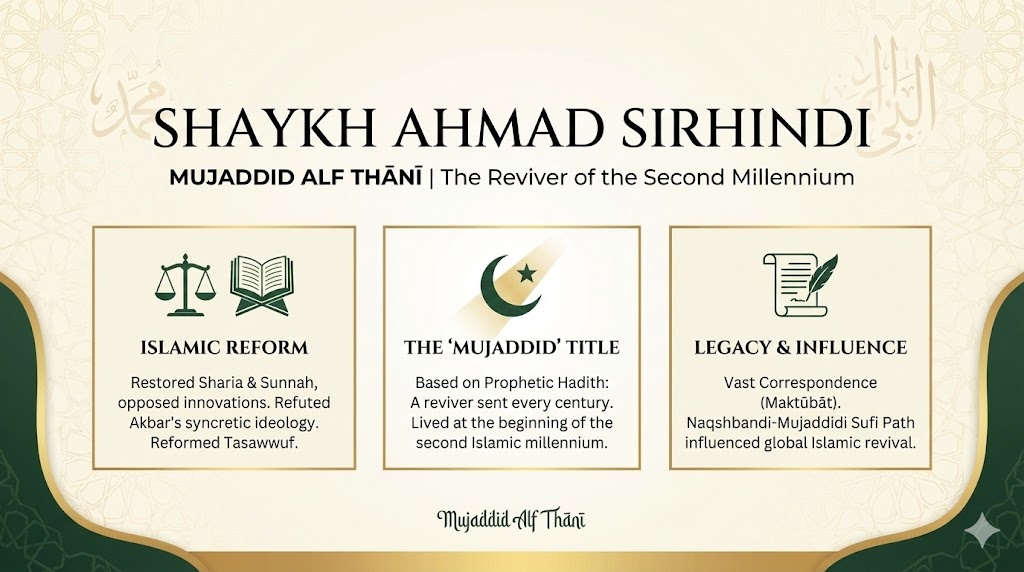 history
Shaykh Ahmad Sirhindī: Mujaddid Alf Thānī and the Revival of Sharia and Sunnah
In Ṣafar 1034 AH, Shaykh Ahmad Sirhindī passed away in Sirhind. Known as Mujaddid Alf Thānī, he restored Islamic identity against syncretism, revived Sharia, and reformed tasawwuf with strict Sunnah alignment.
Read ArticlescienceSolar & Lunar Eclipses: Scientific Explanation and the Sunnah Response
Eclipses are precise cosmic alignments with no harmful physical effects—yet Islam teaches they are signs of Allah that call us to prayer, du‘ā, humility, and reflection on the Hereafter.
Read Article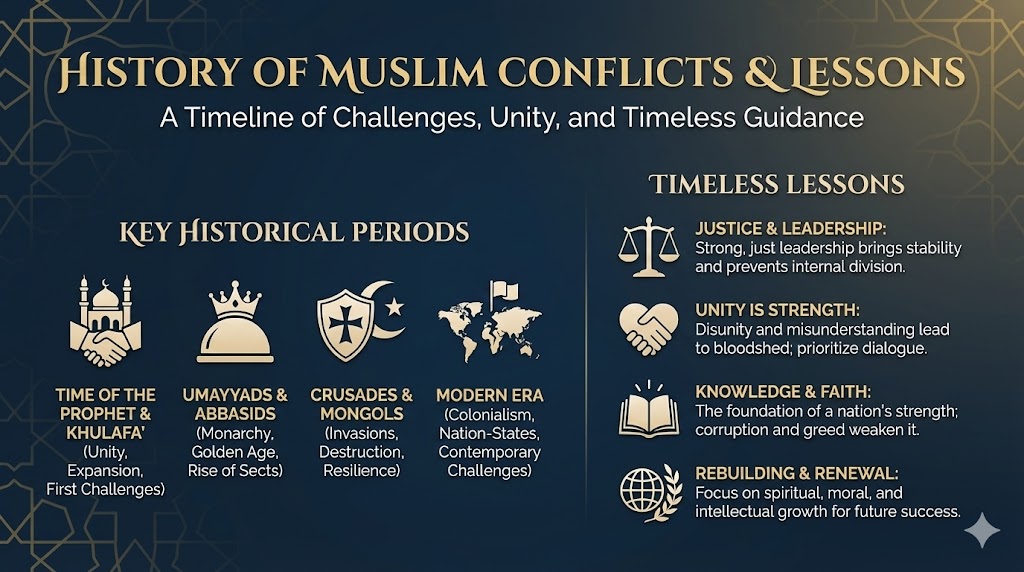 history
A Brief History of Muslim Conflicts — And the Lessons We Keep Forgetting
From the time of the Prophet ﷺ to modern conflicts, Muslim history reveals a repeating pattern: unity brings strength, while injustice, disunity, and neglect of knowledge lead to decline.
Read Article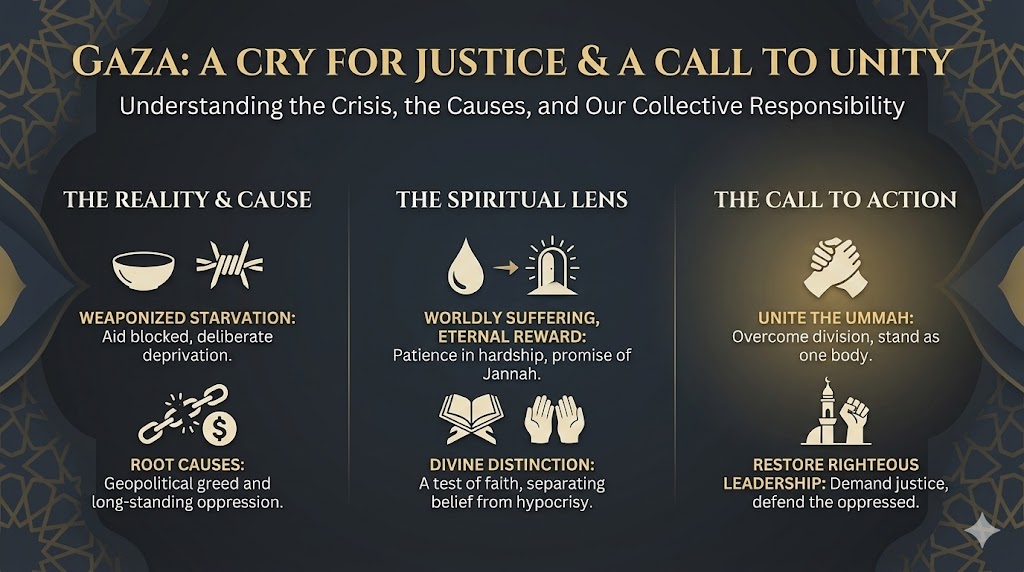 current affairs
Gaza: Starvation Used as a Weapon
Starvation in Gaza is not a natural disaster—it is deliberate, calculated, and weaponised. Understanding the science, the crime, and the responsibility exposes a moral failure of the modern world.
Read Article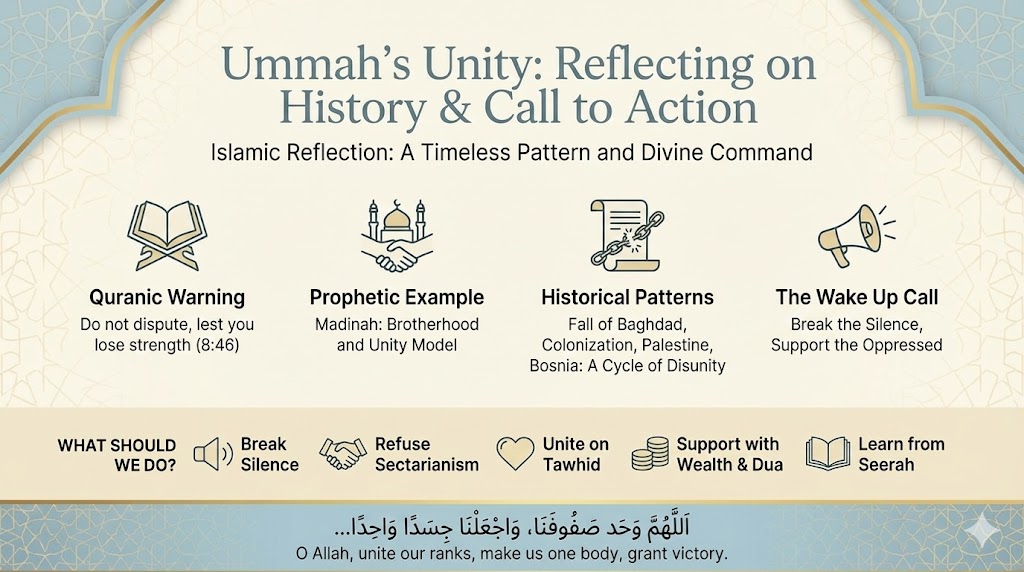 revival
Ummah’s Silence: A Tragedy Repeating through History
The Qur’an warns that disunity drains strength. From Baghdad to Bosnia to Palestine, silence has never saved us—only unity upon Tawḥīd and the Seerah can restore the Ummah’s body.
Read Article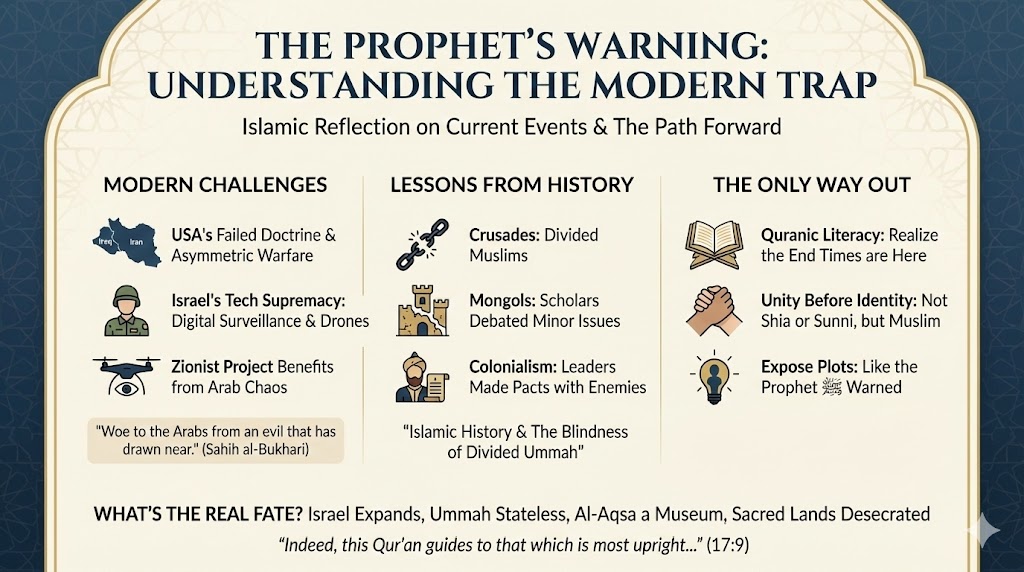 current affairs
The Pattern of Empires: From Iraq to Afghanistan to… Iran?
Empires repeat the same arrogance: quick-victory illusions, long quagmires, and moral collapse. This reflection links geopolitics to Qur’anic guidance and end-times warnings calling Muslims to awaken and unite.
Read Article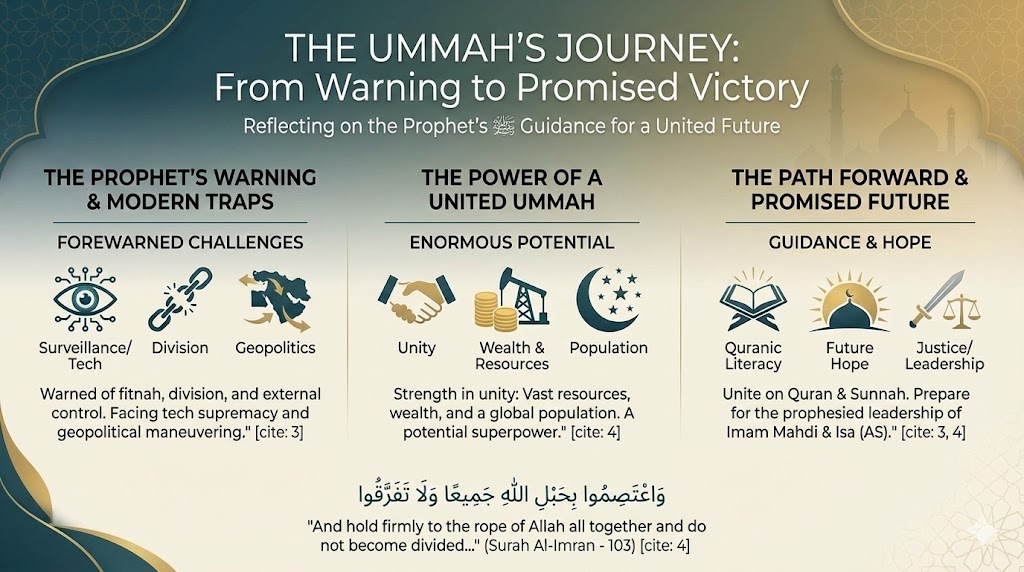 revival
If the Muslim Ummah Unite: What the Ummah Could Become
Unity on Qur’an and justice could transform the Muslim world into a force of mercy and protection for the oppressed—yet division, dunya, and political corruption keep hearts fragmented.
Read Article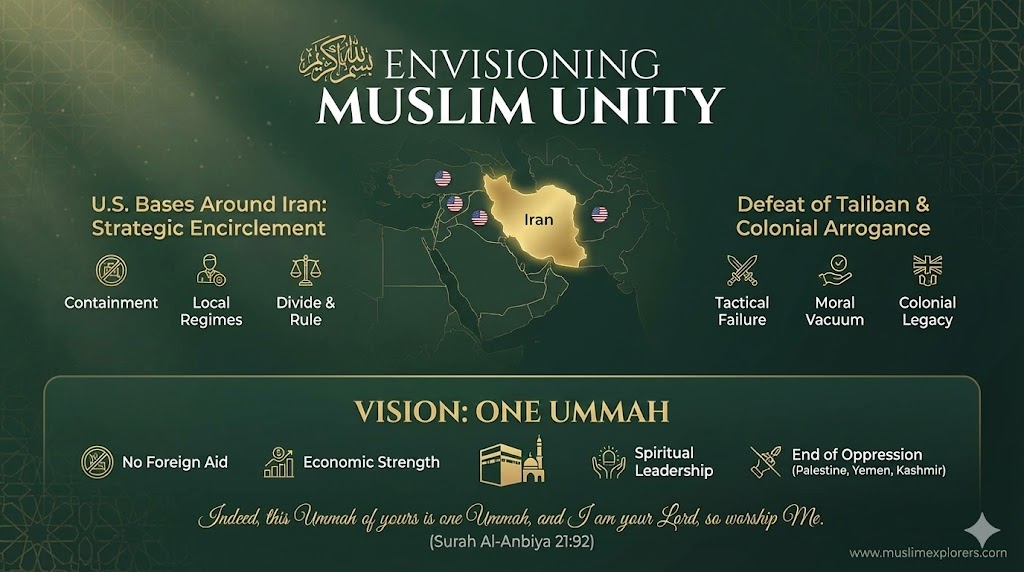 revival
Envisioning Muslim Unity: Lessons from an Image
Why are foreign bases scattered across Muslim lands? This reflection connects geopolitics, spiritual weakness, and the Qur’anic command for unity—arguing that disunity is not from lack of strength, but lack of vision and taqwā.
Read Article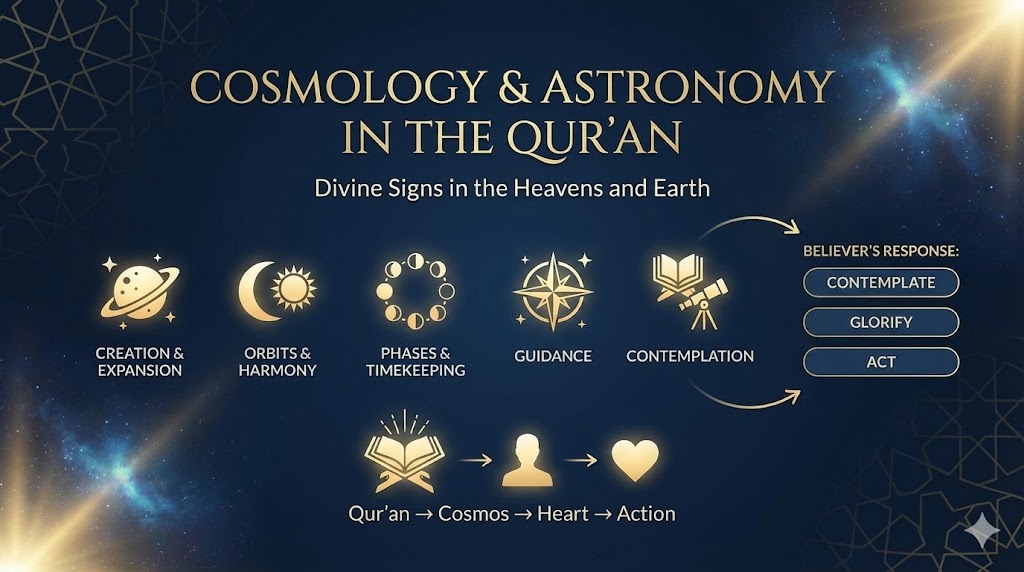 knowledge
Cosmology & Astronomy in the Qur’an
The Qur’an mentions the cosmos to awaken the heart—not only the mind. From expanding heavens to perfect orbits, these āyāt lead to humility, balance, gratitude, and action.
Read Article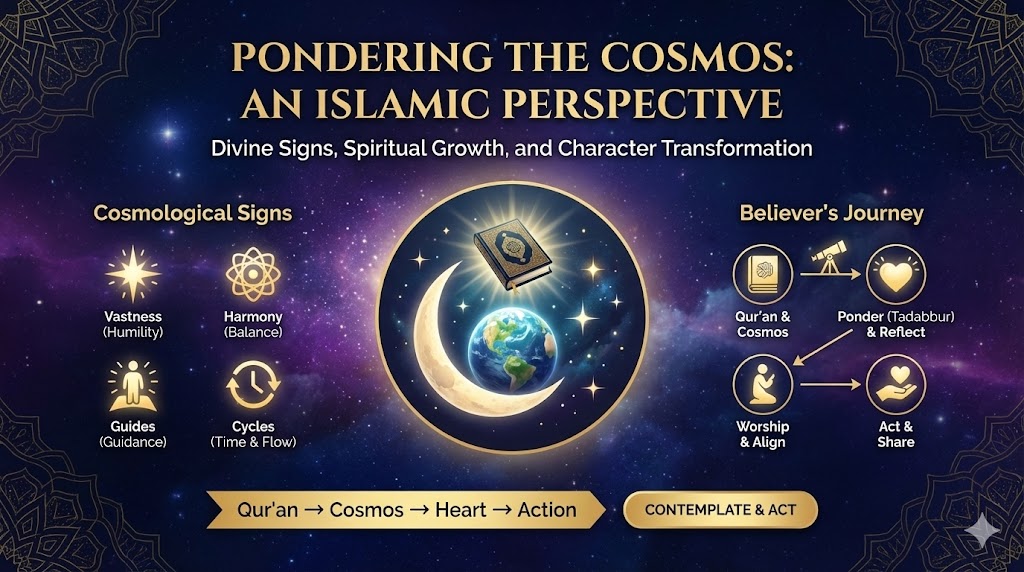 knowledge
The Creation of the Heavens and the Earth: How Pondering the Cosmos Transforms Us
Allah repeatedly calls humanity to reflect on the universe—not as abstract science, but as a path to tawḥīd, purpose, humility, and inner change.
Read Article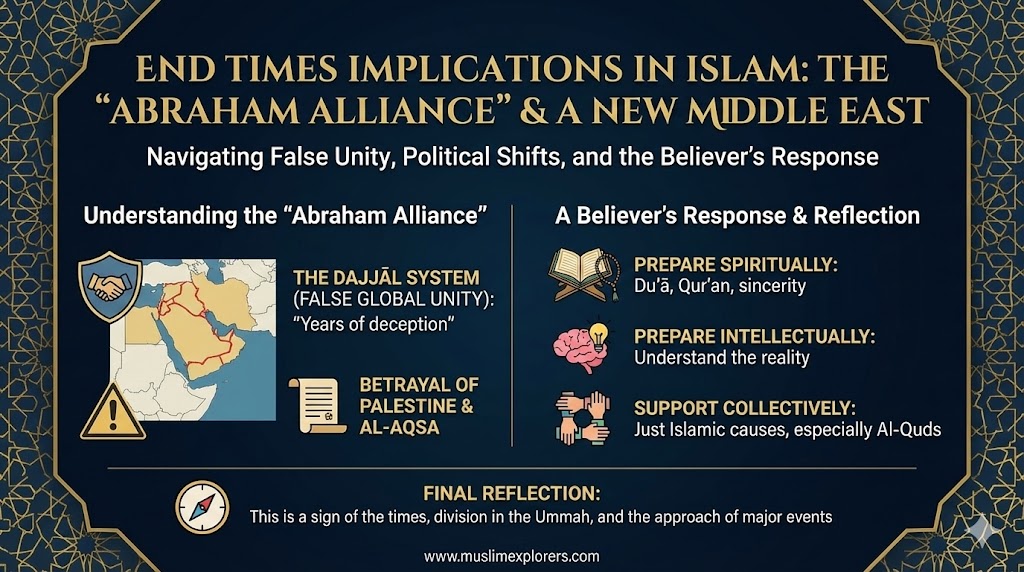 end times
End Times Implications in Islam: The “Abraham Alliance” and False Unity
The “Abraham Alliance” presents itself as peace, but may conceal strategic control and betrayal of Palestine. This reflection connects modern alliances to the Dajjāl system of deception and urges believers to prepare spiritually and intellectually.
Read Article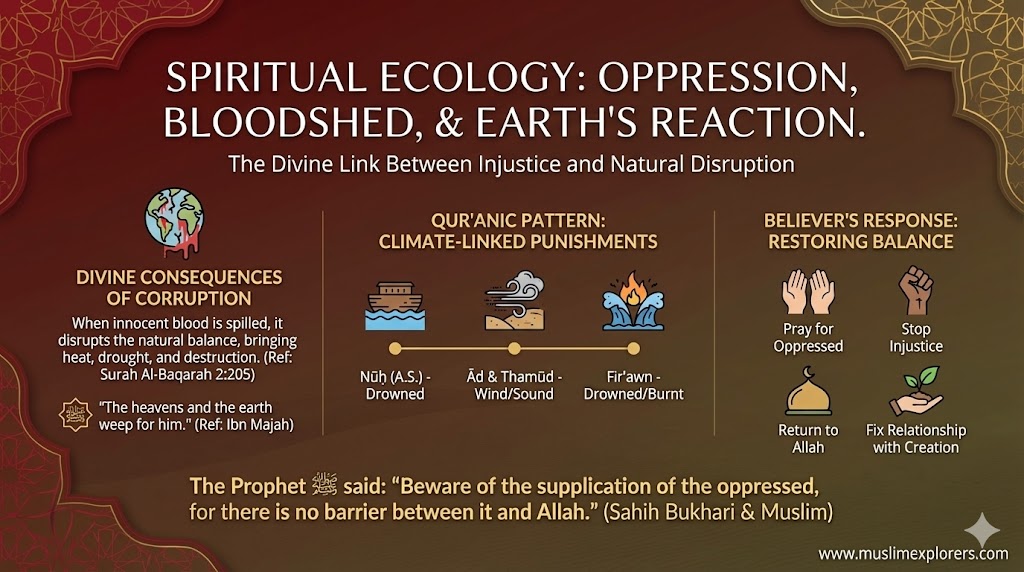 spirituality
Does the Blood of the Oppressed Affect the Earth and Its Heat?
Science explains climate through gases and pollution—but Islam also teaches moral consequences. This reflection explores how oppression corrupts the land, invites divine response, and demands repentance and justice.
Read Article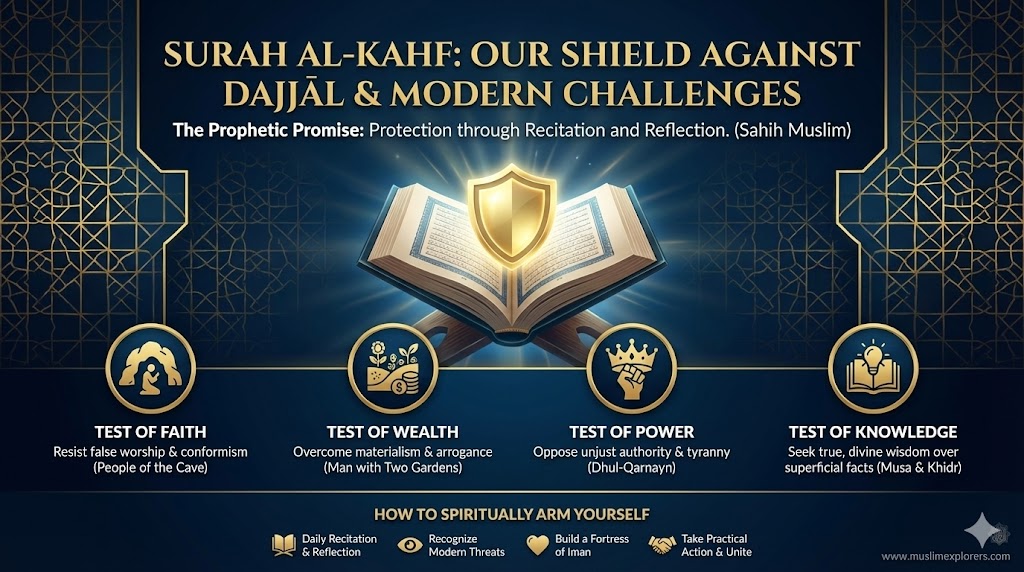 end times
Surah al-Kahf: Our Shield Against Dajjāl and Modern Yazīd Forces
Surah al-Kahf trains believers to resist the four great tests—faith, wealth, knowledge, and power—forming an inner fortress against Dajjāl’s deception and modern tyranny.
Read Article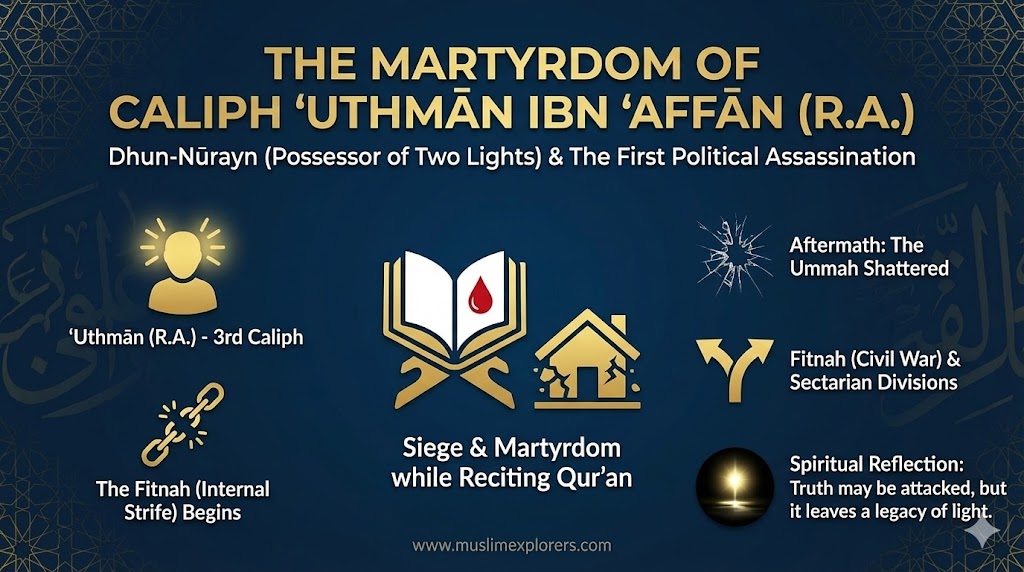 history
The Martyrdom of Caliph ʿUthmān ibn ʿAffān (R.A.) – Dhul Hijjah 35 AH
A righteous Caliph was murdered while reciting the Qur’an—marking the Ummah’s first major political rupture. The tragedy of ʿUthmān (R.A.) teaches how fitnah begins, spreads, and shatters unity.
Read Article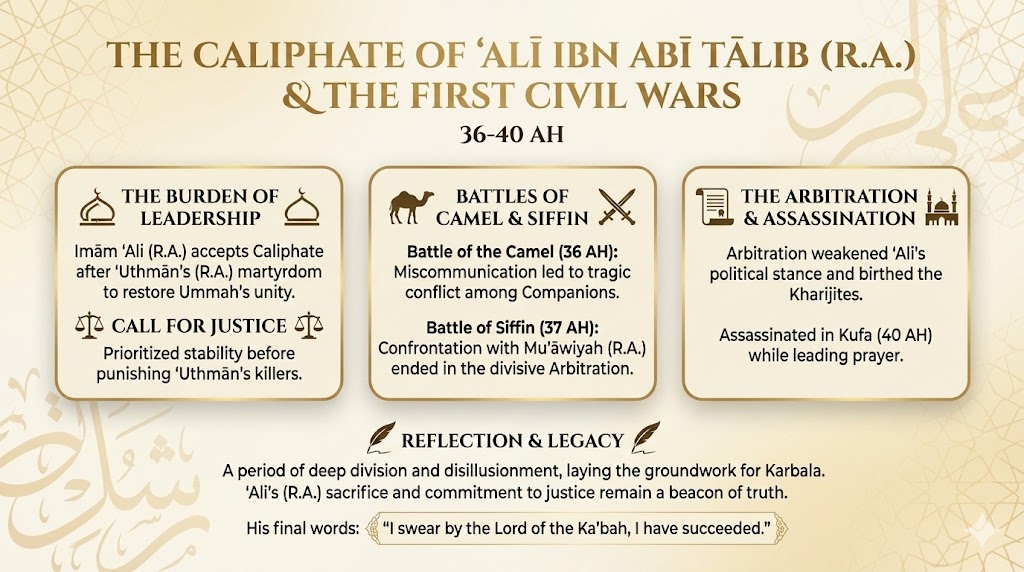 history
The Caliphate of ʿAlī ibn Abī Ṭālib & the First Civil Wars (36–40 AH)
After the martyrdom of ʿUthmān (R.A.), Imām ʿAlī (R.A.) carried the burden of leadership through Jamal, Ṣiffīn, arbitration, and the Khārijite crisis—events that weakened unity and paved the road toward Karbala.
Read Article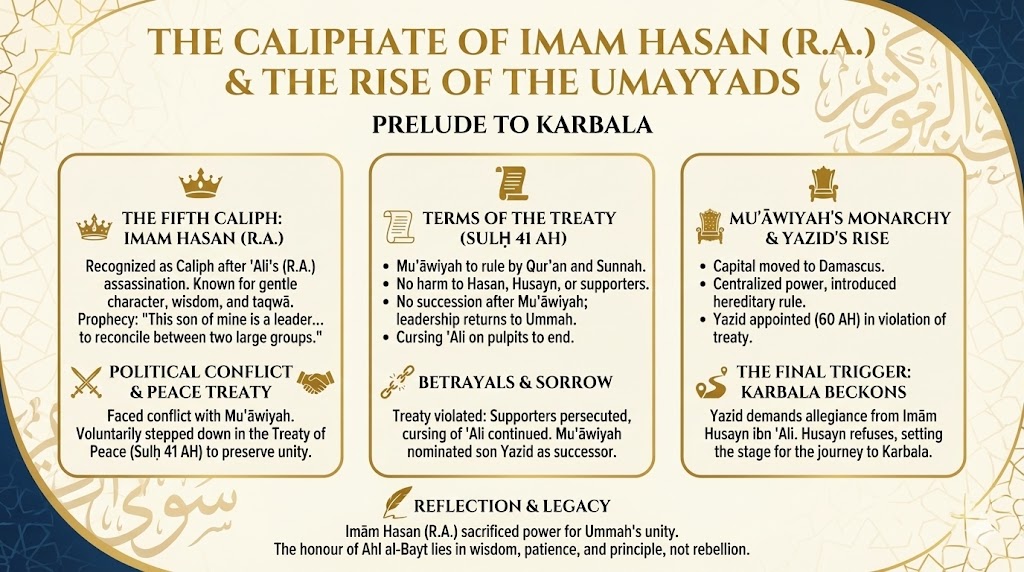 history
The Caliphate of Imām Ḥasan & the Rise of the Umayyads (40–60 AH)
Imām Ḥasan (R.A.) chose reconciliation over civil war through the Treaty of Peace (Sulḥ 41 AH), but broken clauses and Yazīd’s forced succession transformed Khilāfah into hereditary rule—setting the stage for Karbala.
Read Article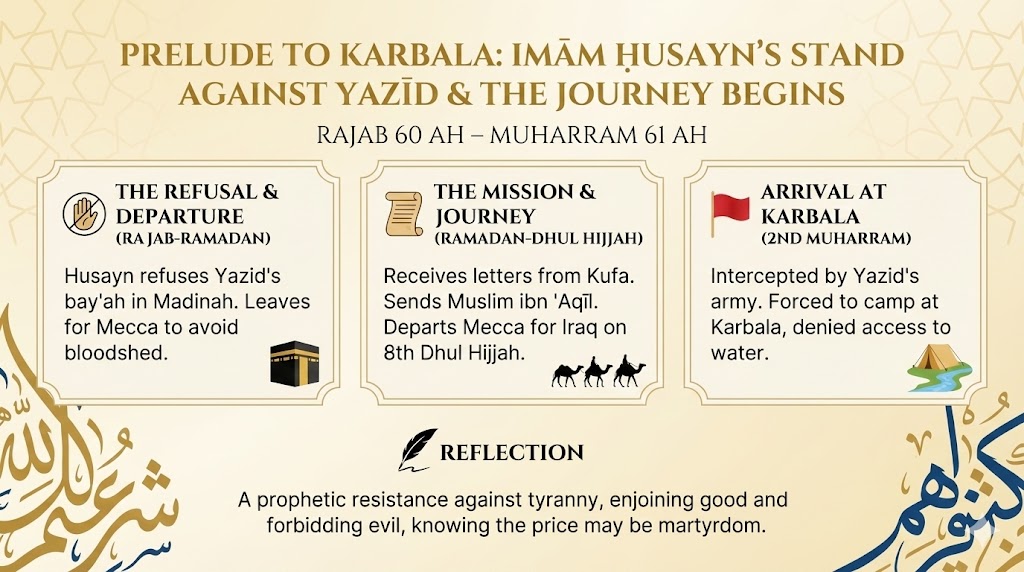 karbala
Imām Ḥusayn’s Stand Against Yazīd & the Journey Begins (Rajab 60 AH – Muharram 61 AH)
When Yazīd demanded bayʿah, Imām Ḥusayn (A.S.) refused with principle and left Madinah to prevent bloodshed. The letters of Kufa, Muslim ibn ʿAqīl’s mission, and betrayal on the road led to the irreversible path toward Karbala.
Read Article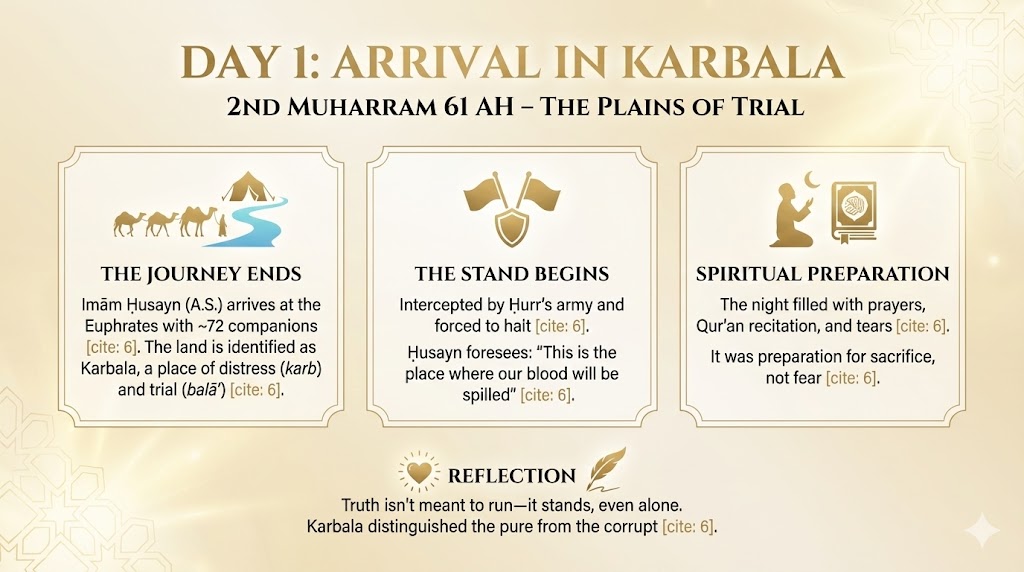 karbala
Karbala: Day 1 — Arrival (2nd Muharram 61 AH)
Imām Ḥusayn (A.S.) arrives at Karbala—“the land of distress and trial”—and the final stand of truth vs tyranny takes its place, surrounded by an army that will soon tighten the siege.
Read Article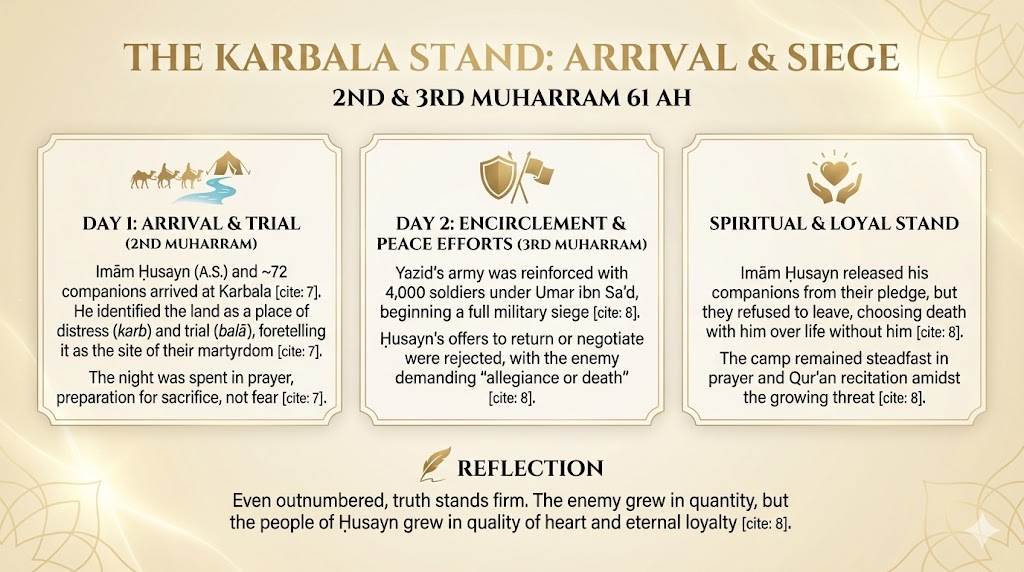 karbala
Karbala: Day 2 — The Siege Begins (3rd Muharram 61 AH)
Reinforcements arrive under ʿUmar ibn Saʿd and the encirclement begins. Imām Ḥusayn (A.S.) still seeks peace through just options, but the enemy insists on “allegiance or death.”
Read Article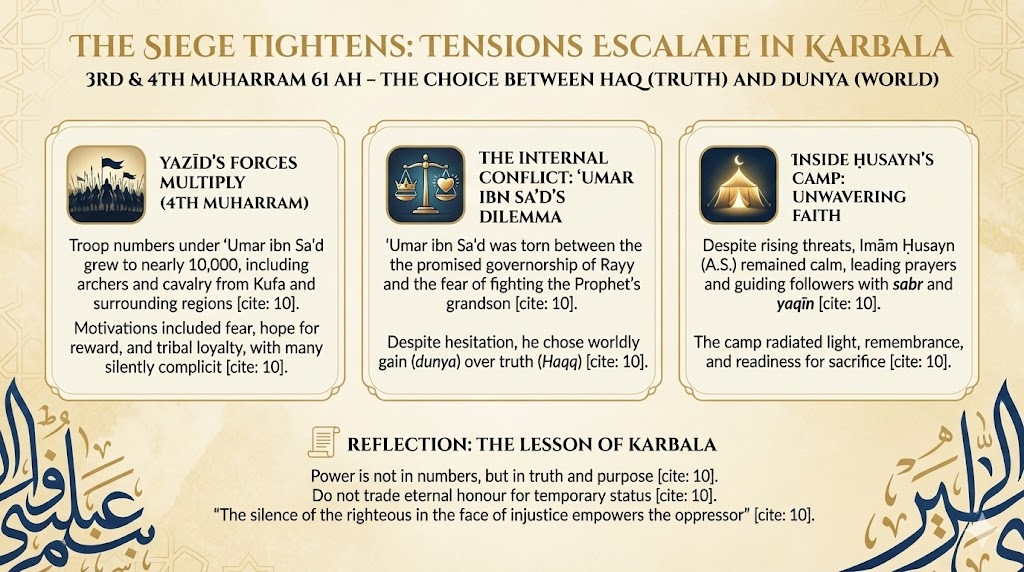 karbala
Karbala: Day 3 — Tensions Escalate & the Siege Tightens (4th Muharram 61 AH)
Troops multiply toward 10,000 as fear, greed, and silence fuel oppression. ʿUmar ibn Saʿd’s inner conflict reveals the price of choosing dunya over truth while Ḥusayn’s camp remains calm in worship.
Read Article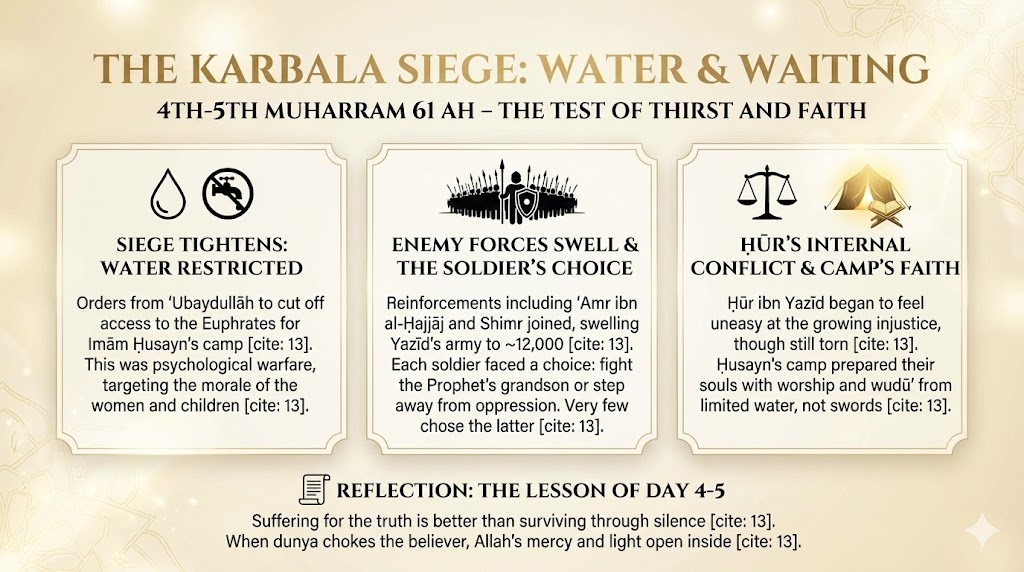 karbala
Karbala: Day 4 — Water Access Begins to Narrow (5th Muharram 61 AH)
Orders are issued to restrict access to the Euphrates as psychological warfare. While the camp still holds water briefly, the siege tightens and Hurr ibn Yazīd begins to feel guilt—an early sign of coming repentance.
Read Article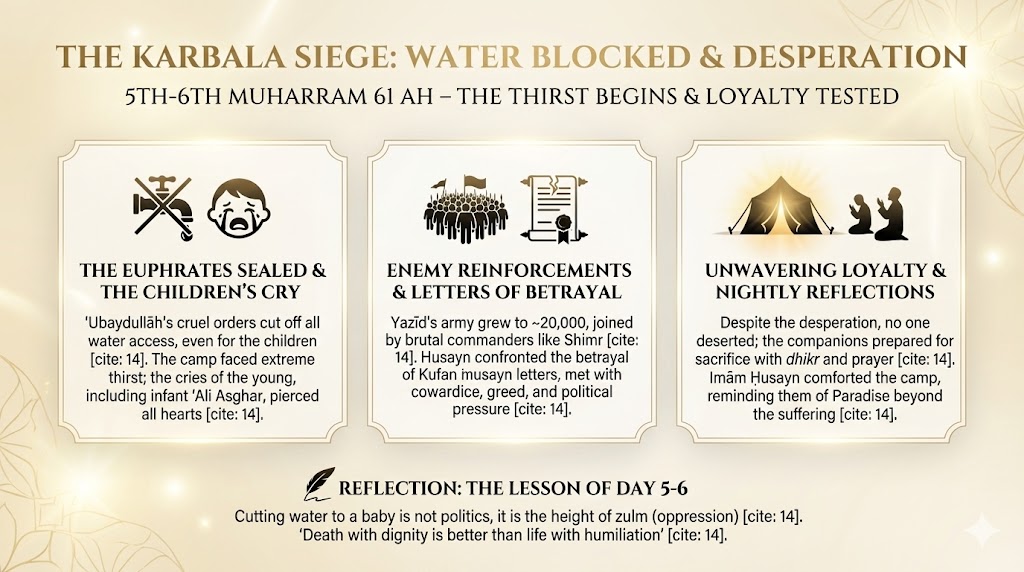 karbala
Karbala: Day 5 — Water is Fully Blocked, Thirst Begins (6th Muharram 61 AH)
The Euphrates is sealed completely—“not a single drop,” even for children. As thirst grips the camp and the enemy swells in numbers, Karbala exposes the height of zulm and the unmatched dignity of Ḥusayn (A.S.).
Read Article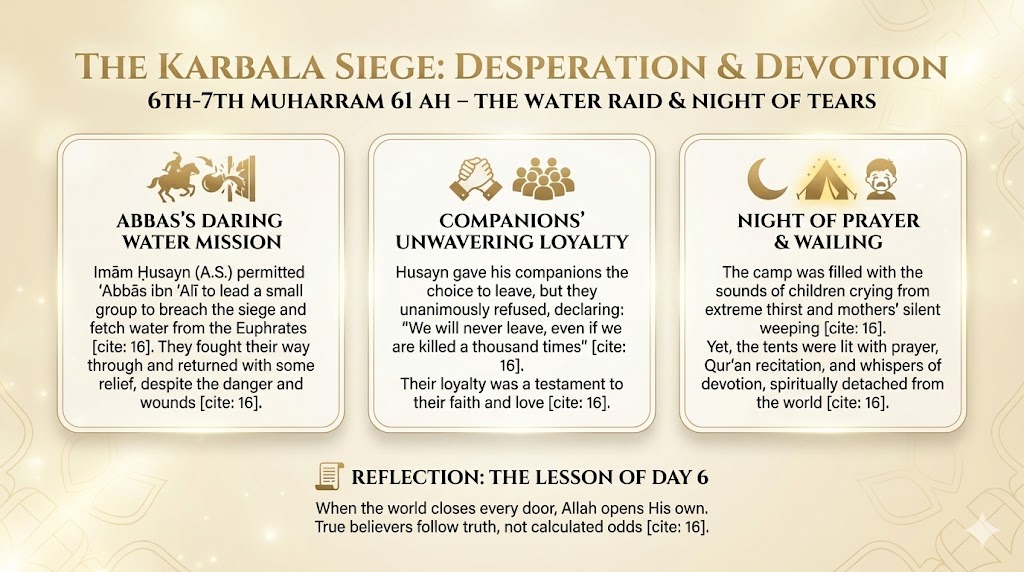 karbala
Karbala: Day 6 — Water Raid Attempt & Tears in the Night (7th Muharram 61 AH)
With no water left and children collapsing from thirst, ʿAbbās ibn ʿAlī (A.S.) leads a daring night raid to the Euphrates. The camp tastes brief relief—but oppression intensifies and loyalty is sealed.
Read Article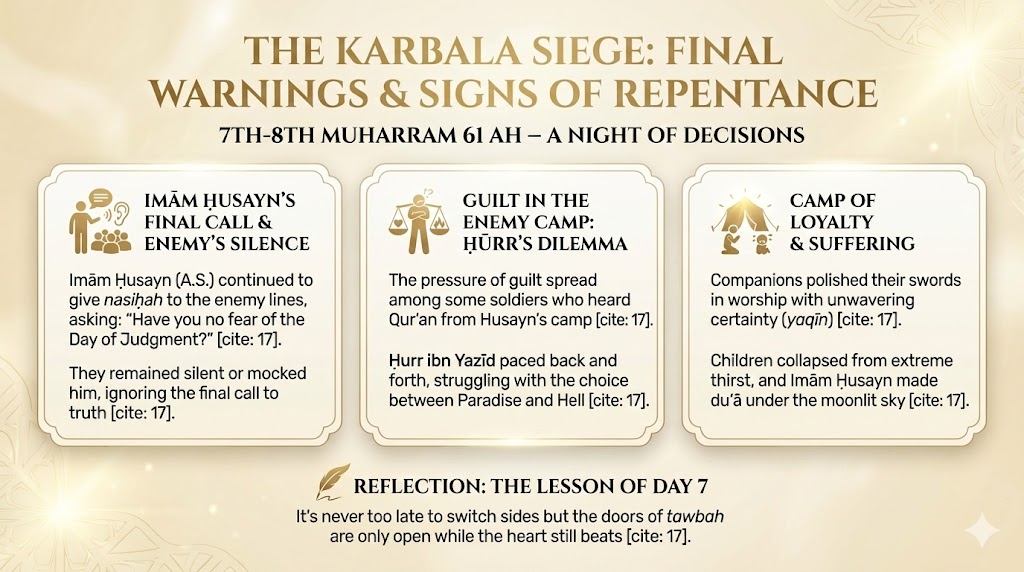 karbala
Karbala: Day 7 — Final Warnings & the First Signs of Repentance (8th Muharram 61 AH)
Imām Ḥusayn (A.S.) gives his final warnings to Kūfah as children collapse from thirst. That night, guilt spreads through the enemy camp—and al-Ḥurr begins his inner battle.
Read Article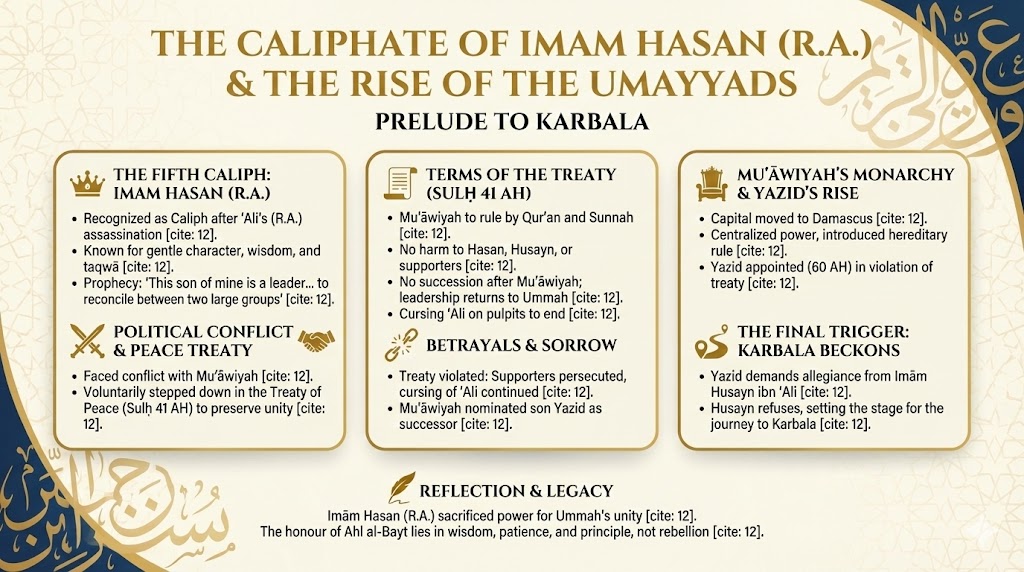 karbala
Karbala: Day 8 — Tāsūʿā, The Night Before ʿĀshūrā (9th Muharram 61 AH)
On the eve of battle, Ḥusayn (A.S.) asks for one last night—not for strategy, but for worship. al-Ḥurr defects, souls choose their side, and the camp glows with certainty.
Read Article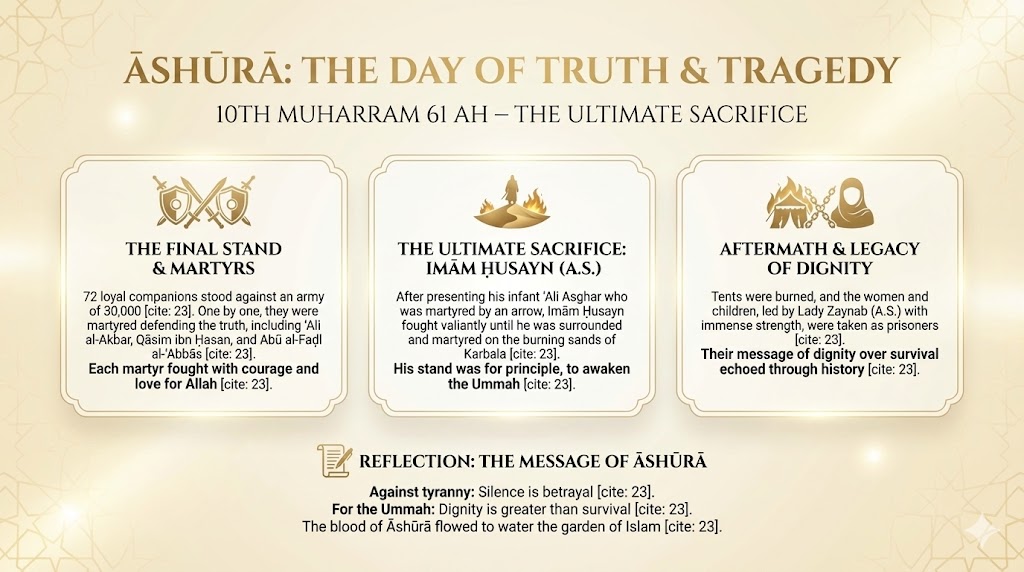 karbala
Karbala: Day 9 — ʿĀshūrā, The Day of Truth and Tragedy (10th Muharram 61 AH)
Seventy-two stand against an empire. ʿĀshūrā witnesses unmatched courage, ultimate sacrifice, and the martyrdom of Imām Ḥusayn (A.S.)—a stand that forever divided truth from tyranny.
Read Article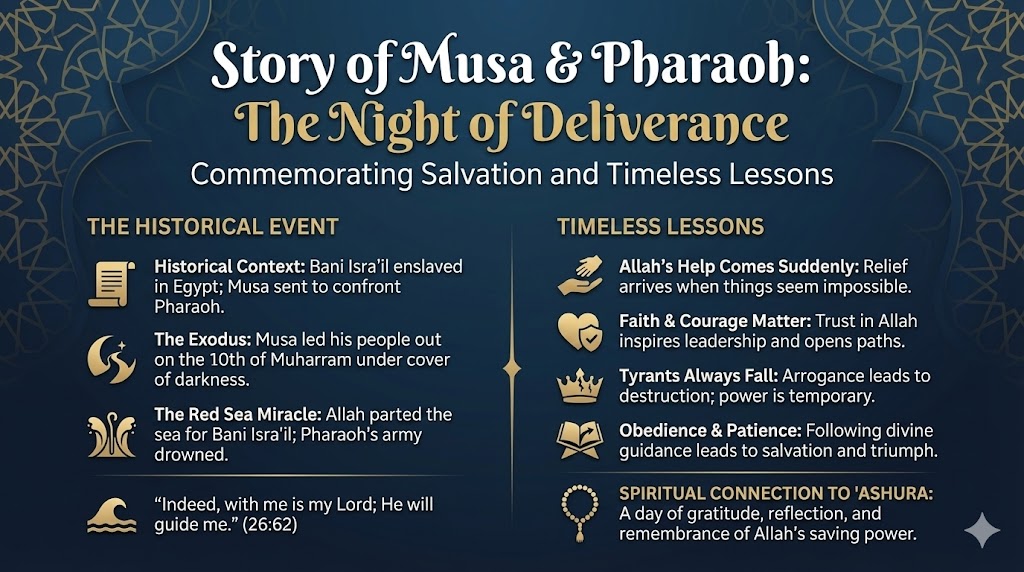 spirituality
ʿĀshūrā & the Story of Mūsā (A.S.): The Night of Deliverance
The 10th of Muharram unites two defining moments of history: the salvation of Mūsā (A.S.) from Pharaoh and the sacrifice of Ḥusayn (A.S.) at Karbala—both eternal lessons of truth triumphing over tyranny.
Read Article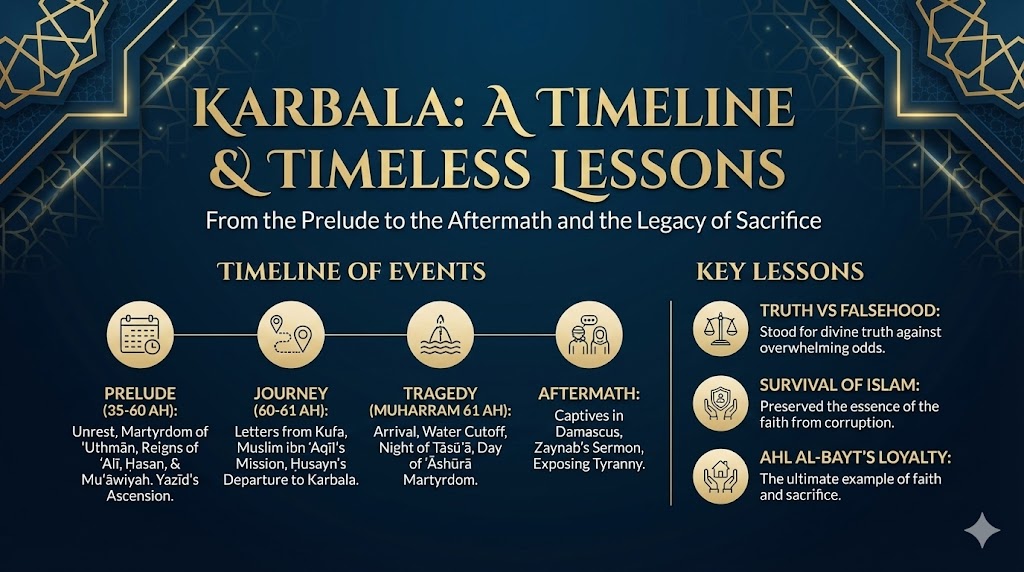 history
Karbala: A Complete Timeline & Its Eternal Lessons for the Ummah
From the martyrdom of ʿUthmān (R.A.) to the sermons of Zaynab (A.S.) in Damascus, Karbala was not a single day—but a process that preserved Islam and exposed tyranny for all generations.
Read Article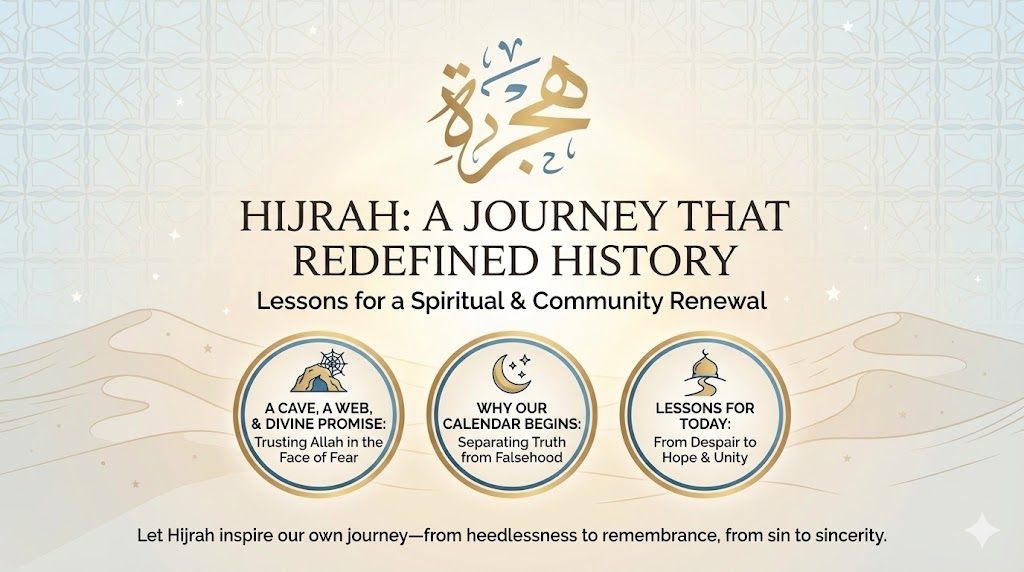 travel
Hijrah: A Journey That Redefined Time
Hijrah was not an escape—it was a declaration. A journey that separated truth from falsehood and reshaped history, identity, and destiny.
Read Article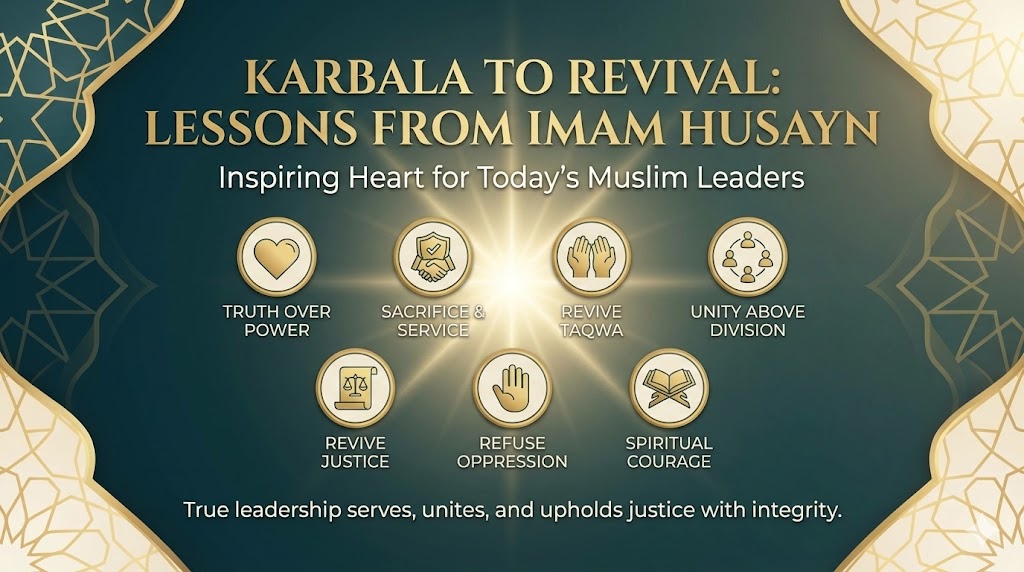 science
The Heart of Ḥusayn: A Blueprint for Today’s Leaders
Imam Ḥusayn’s stand at Karbala was not for power—but for truth. His heart offers a timeless model for leadership rooted in taqwā, sacrifice, and justice.
Read Article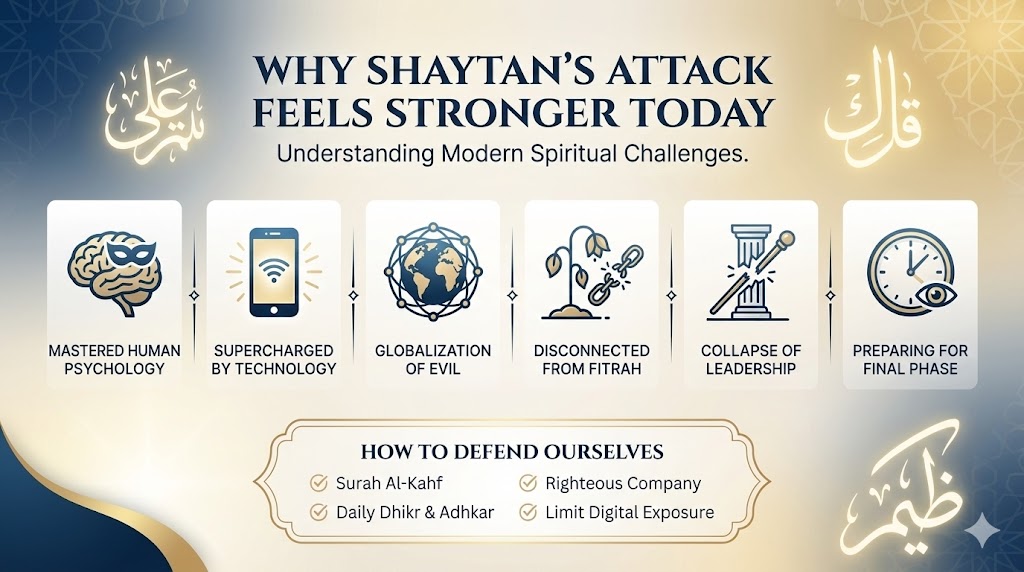 spirituality
Why the Attacks of Shayṭān Seem Stronger Today
Shayṭān’s war on humanity has evolved—powered by psychology, technology, and global systems. Understand why temptations feel heavier today and how believers can defend themselves.
Read Article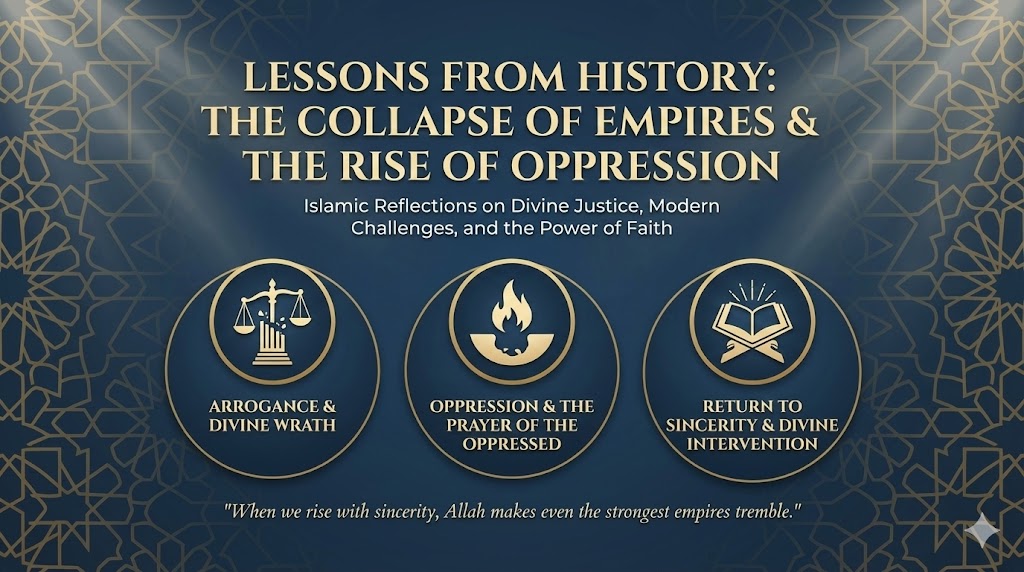 travel
The Collapse of Empires and the Rise of Oppression
From Pharaoh to modern superpowers, history proves one truth: no empire survives injustice. The Qur’an exposes the fate of tyrants and the certainty of divine justice.
Read Article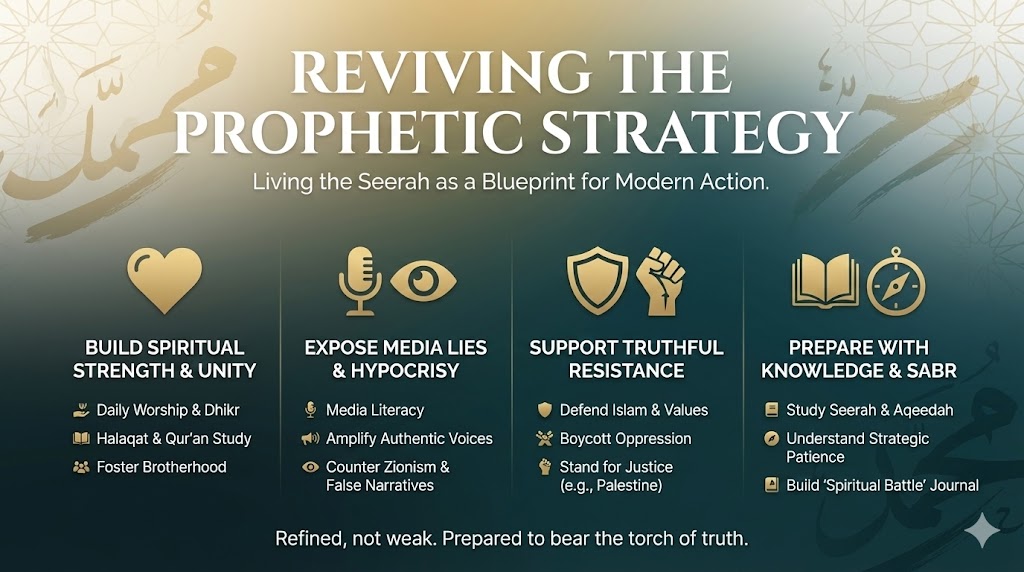 spirituality
Reviving the Prophetic Strategy in Modern Times
The Seerah is not just history—it is strategy. Learn how to rebuild spiritual strength, expose propaganda, support truth, cultivate knowledge and sabr, and apply Prophetic principles today.
Read Article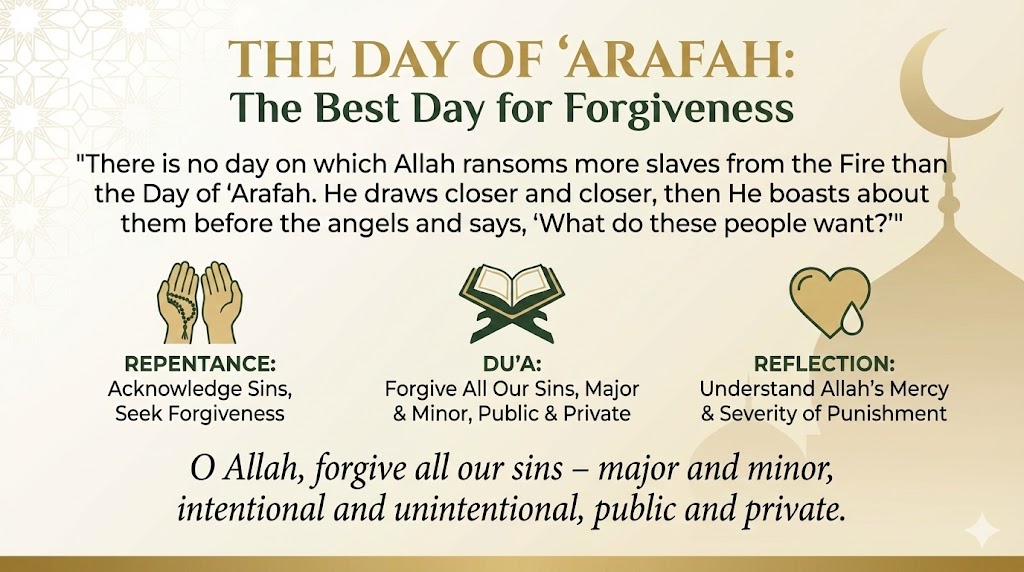 spirituality
The Day of Arafah: The Day of Souls Returning to Their Lord
Arafah is a divine appointment—when Allah frees more souls from the Fire than any other day, accepts repentance, and invites hearts to come home through tears and du‘ā.
Read Article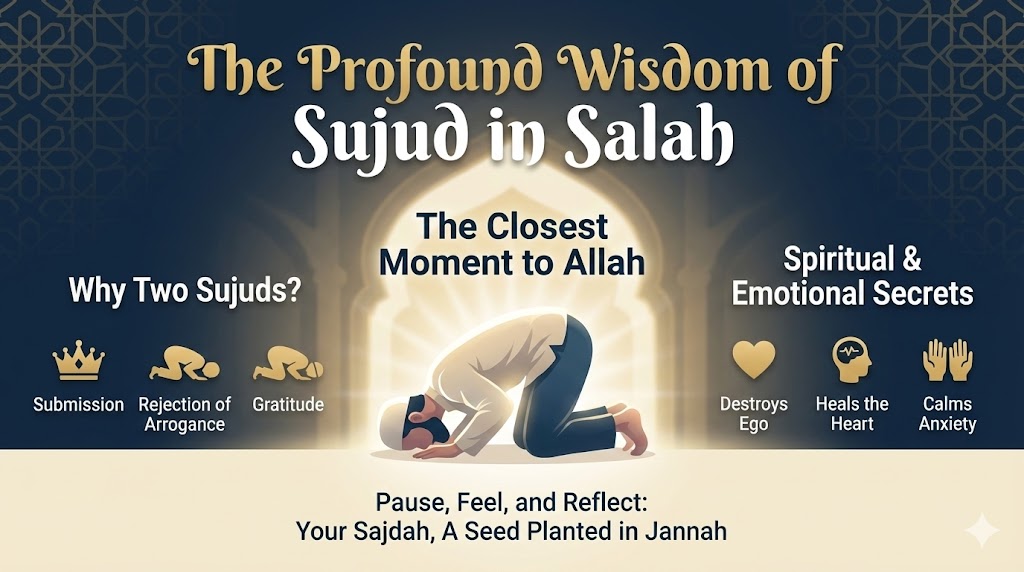 spirituality
Sujūd: A Divine Mystery Unveiled
Why do we prostrate twice in every rak‘ah? Explore how sujūd crushes arrogance, draws you closest to Allah, and plants seeds of Jannah with every sincere forehead to the earth.
Read Article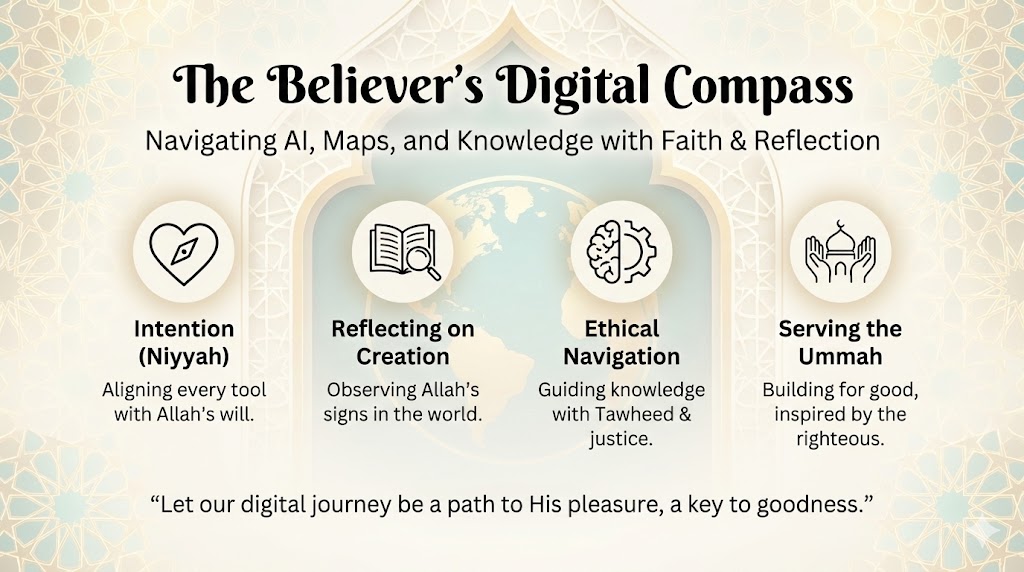 spirituality
Why Maps Matter: A Spiritual Tool for Reflection and Revival
Maps are more than navigation—they help believers reflect on Allah’s creation, understand the Ummah, learn from Islamic history, and even guide modern tools like AI with the right intention.
Read Article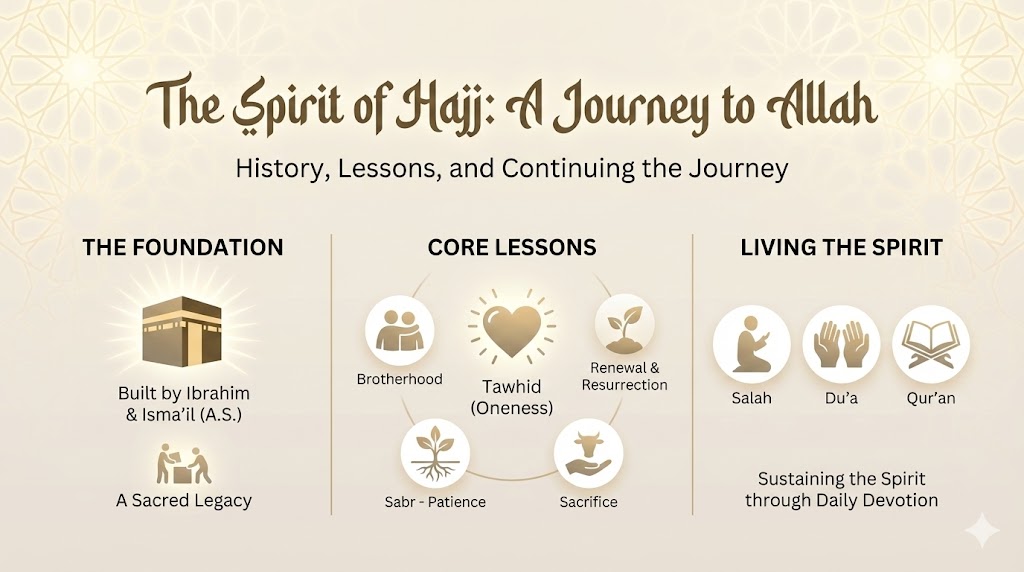 spirituality
The Spirit of Hajj: A Journey to Allah
Hajj is a spiritual migration from the dunya to Allah—reviving tawḥīd, crushing ego, and rehearsing the Hereafter through ihram, Arafah, tawaf, and sacrifice.
Read Article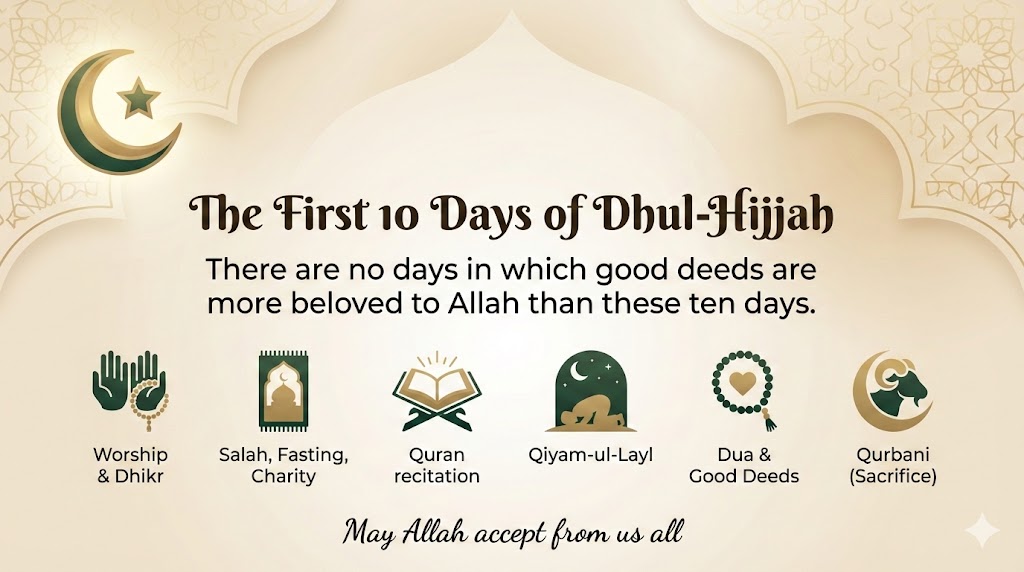 spirituality
The First Ten Days of Dhul-Hijjah: The Best Days of the Year
Discover why the first ten days of Dhul-Hijjah are the most beloved days to Allah—when every act of worship is multiplied, hearts revive, and the Ummah unites in devotion.
Read Article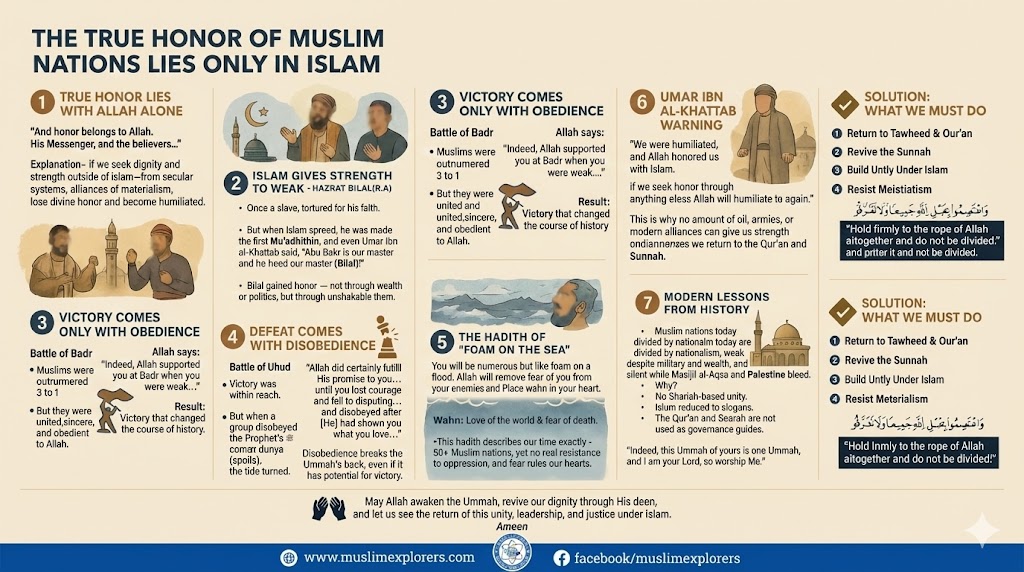 spirituality
True Honor and Dignity: The Islamic Path to Izzah
Discover how true honor, power, and dignity (ʿizzah) for Muslims lie only in submission to Allah and unity through Islam, drawing lessons from the Seerah and Quranic guidance.
Read Article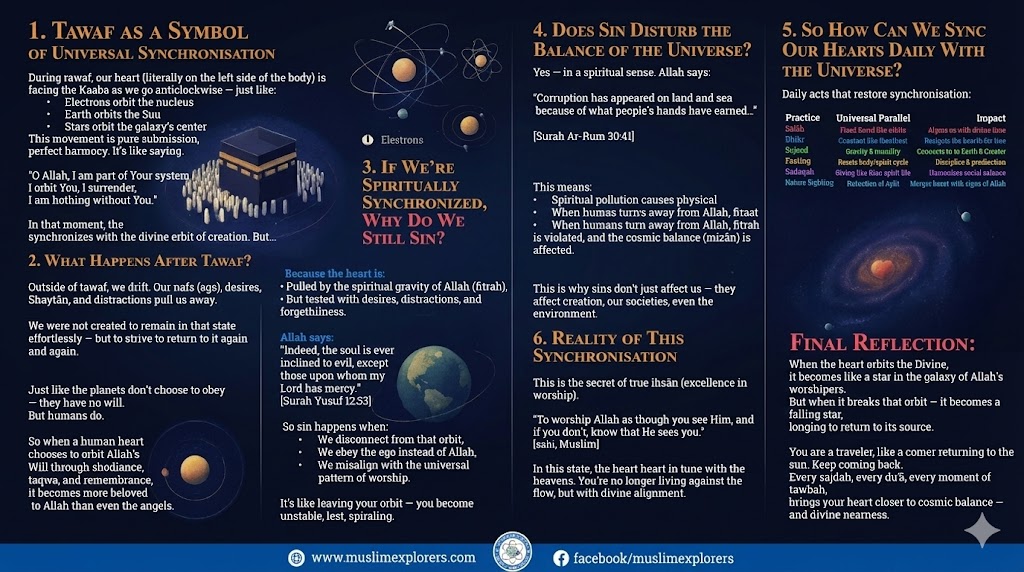 spirituality
Tawaf: The Spiritual Synchronization with the Universe
Explore the profound spiritual meaning of Tawaf and how it synchronizes the human heart with the divine orbit of creation, reflecting the universal pattern of worship.
Read Article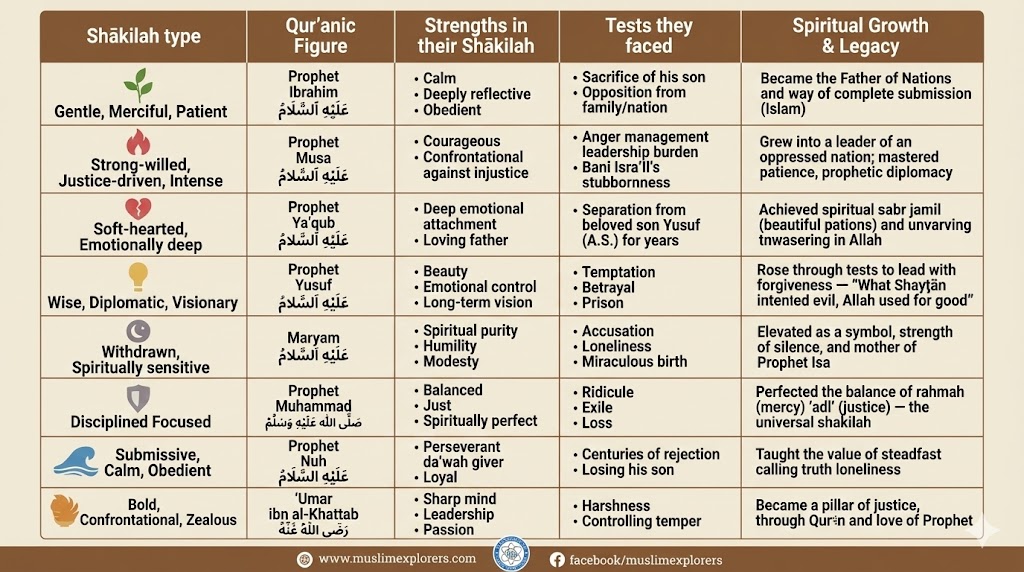 spirituality
Understanding Personality Types Through Quranic Figures
Learn about different personality types (Shākilah) through the lives of prophets and companions, understanding how each faced unique tests and achieved spiritual growth.
Read Article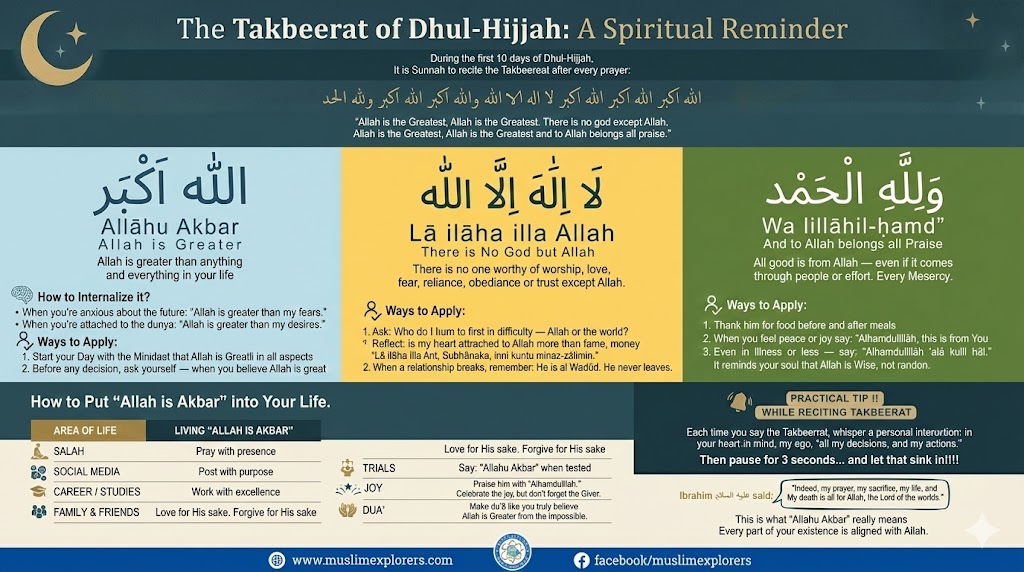 spirituality
The Takbeeraat of Dhul-Hijjah: Living with Divine Remembrance
Understand the profound meaning behind the Takbeeraat recited during the blessed days of Dhul-Hijjah and how to internalize these declarations in every aspect of life.
Read Article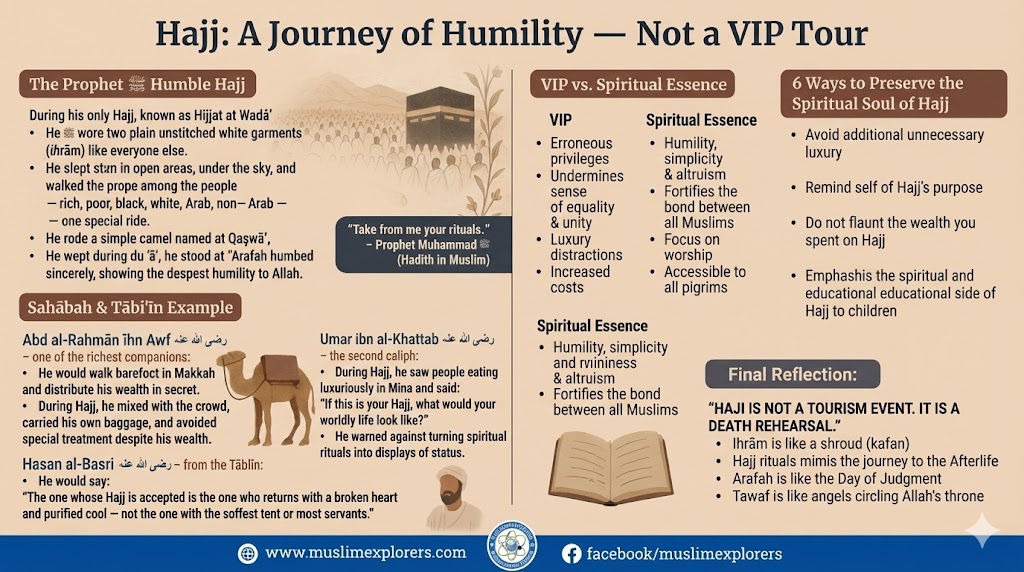 spirituality
Eid al-Adha: The Legacy of Ultimate Submission
Discover the profound spiritual lessons of Eid al-Adha through the legacy of Prophet Ibrahim, his family, and how we can embody their sacrifice and submission in our modern lives.
Read Article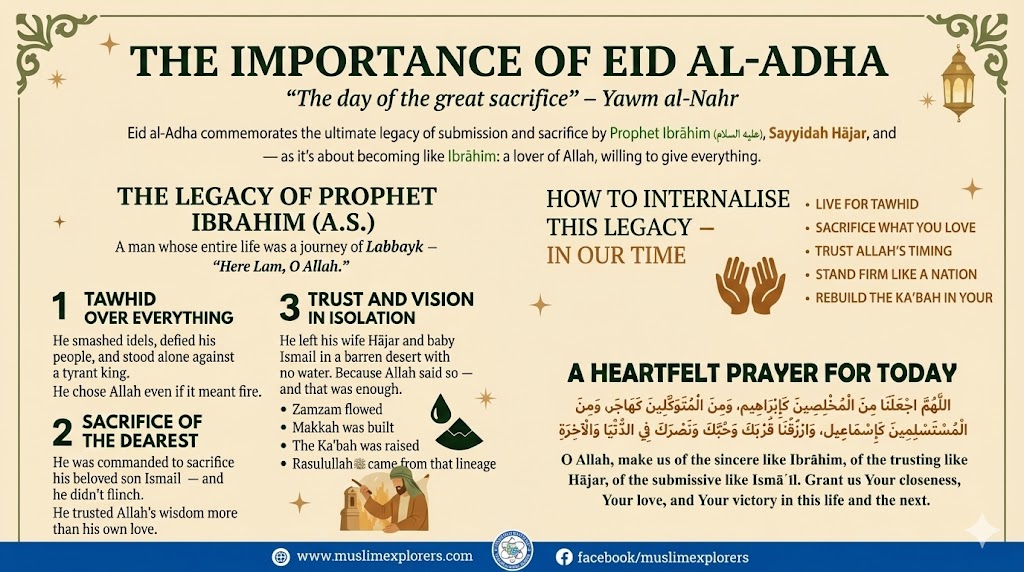 spirituality
The Two Hearts: Understanding Physical and Spiritual Health
A comprehensive comparison between the physical heart and the spiritual heart (Qalb), exploring their functions, diseases, and the path to purification.
Read Article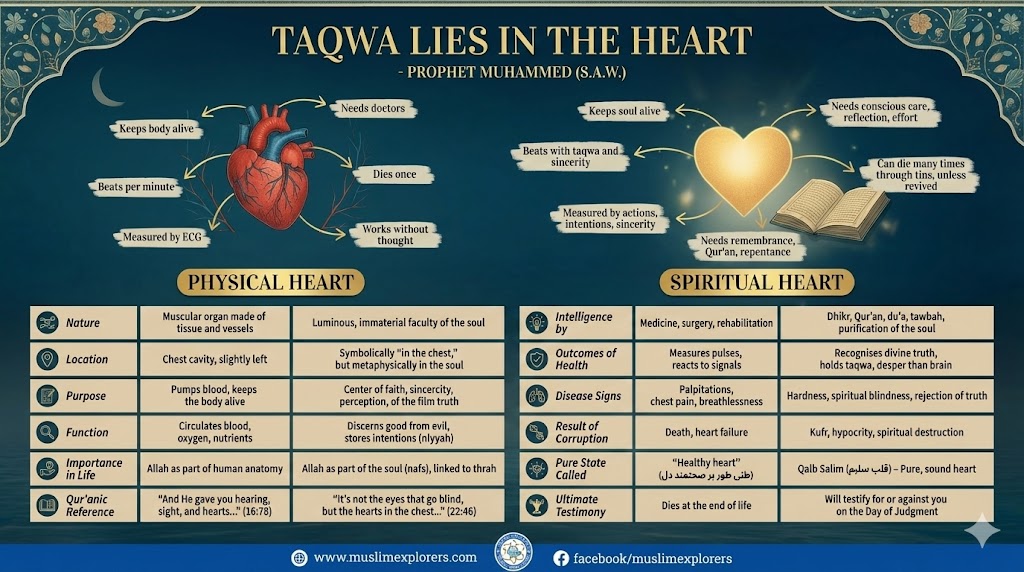 spirituality
The Physical Heart vs. The Spiritual Heart: A Complete Comparison
An in-depth exploration of the differences between our physical heart and spiritual heart (Qalb), understanding how to nurture both for complete well-being.
Read Article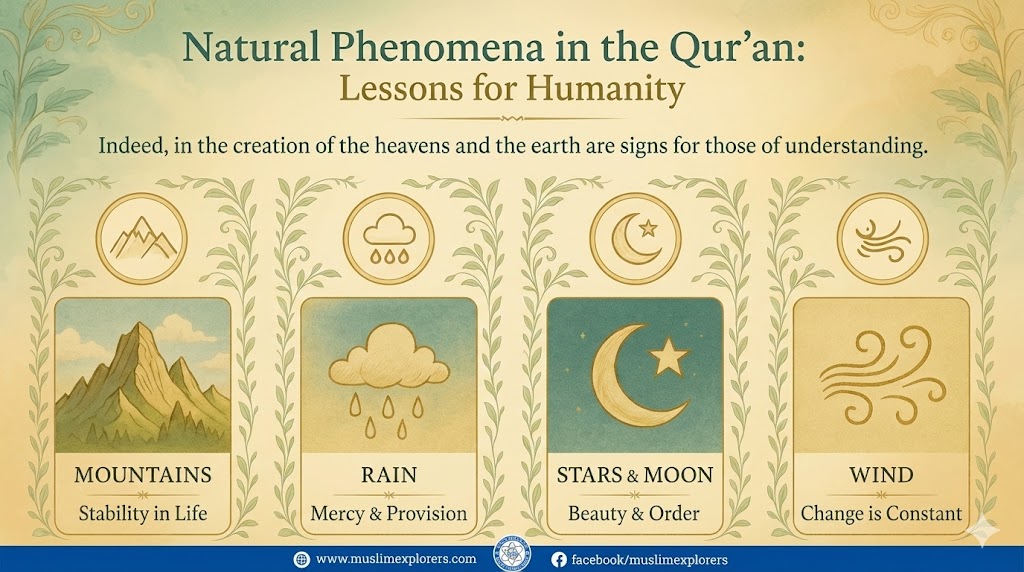 quran
quranNatural Phenomena in the Quran: Signs of Divine Wisdom
Discover why Allah mentions natural phenomena in the Quran and how these signs invite us to deep reflection, strengthen faith, and connect the seen world to the unseen.
Read Article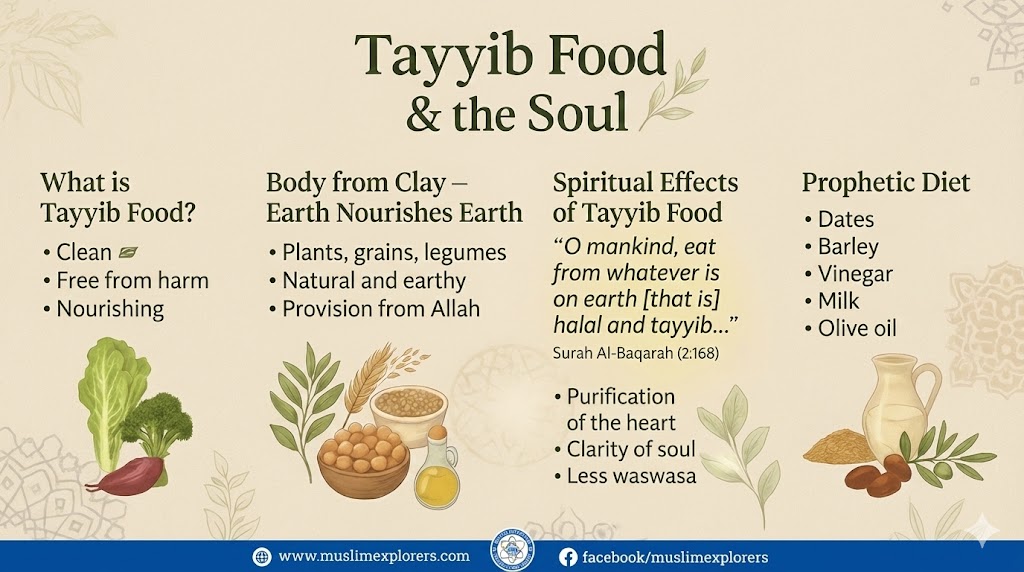 spirituality
Tayyib Food: Nourishing Body and Soul
Explore the Islamic concept of Tayyib food—wholesome, pure, and spiritually uplifting nutrition that connects us to our origin and purifies the heart.
Read Article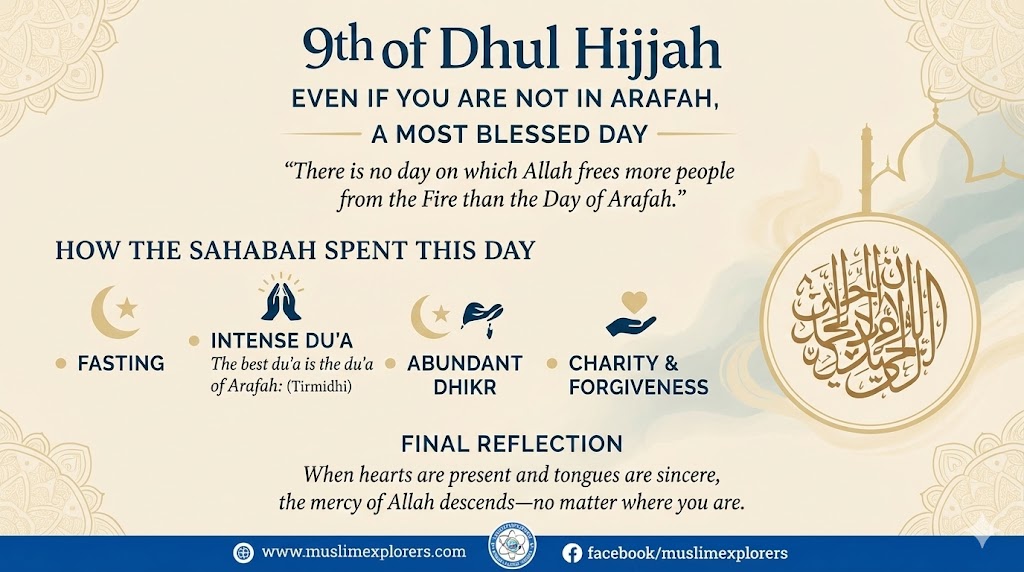 spirituality
The Day of Arafah: A Day of Divine Outpouring
Learn how the Sahabah and early generations honored the 9th of Dhul-Hijjah, and discover practical ways to maximize this blessed day even when not performing Hajj.
Read Article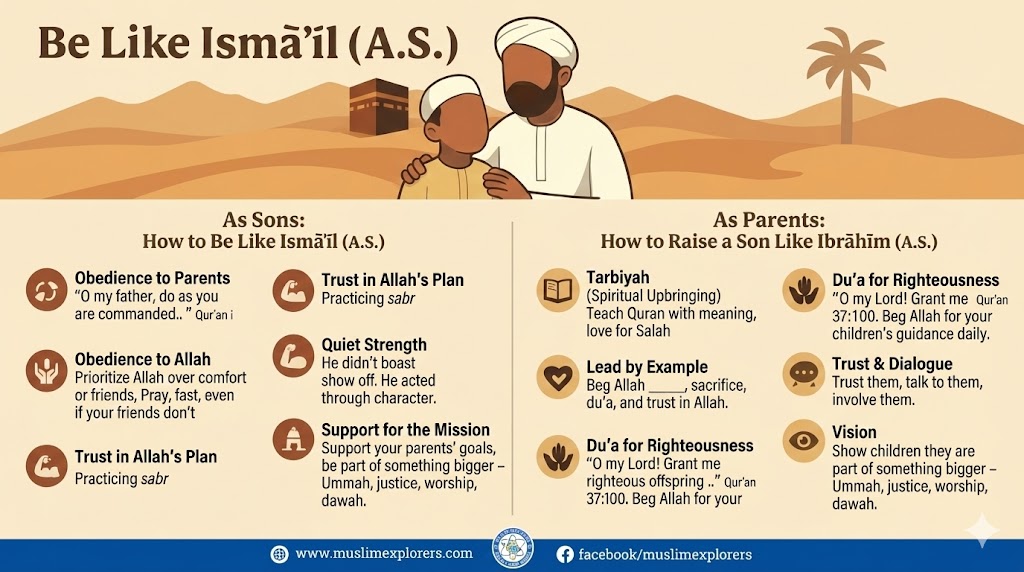 spirituality
Being Like Ismail: Lessons in Obedience and Trust
Discover how to embody the noble qualities of Prophet Ismail—obedience, patience, and trust—and learn how parents can raise righteous children following his example.
Read Article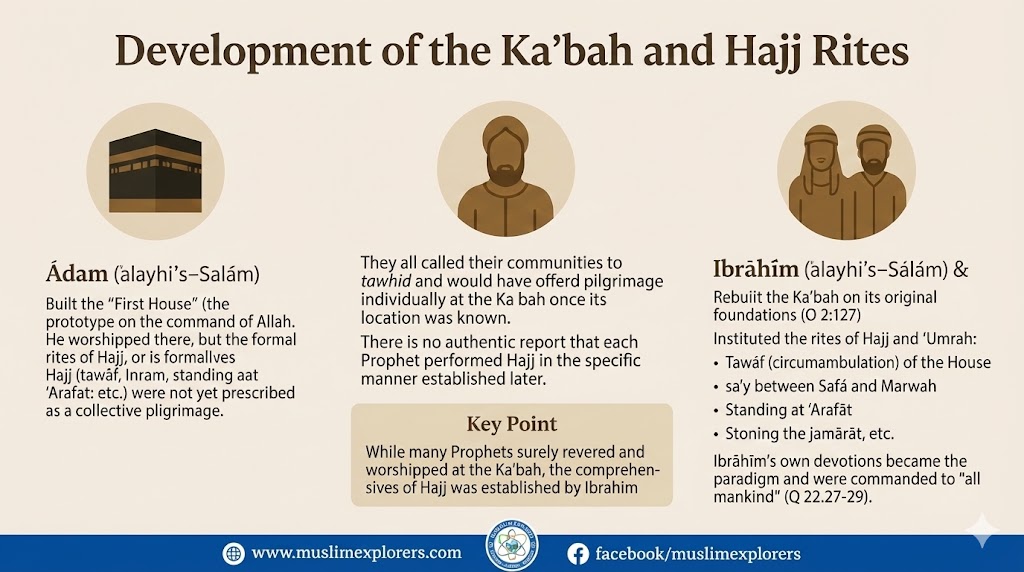 spirituality
Hajj: From Adam to Ibrahim—The Legacy of Humility
Trace the sacred origins of Hajj from Prophet Adam through Prophet Ibrahim, and understand how the Prophet Muhammad renewed this pilgrimage of ultimate submission.
Read Article