A Statement Framed as Peace
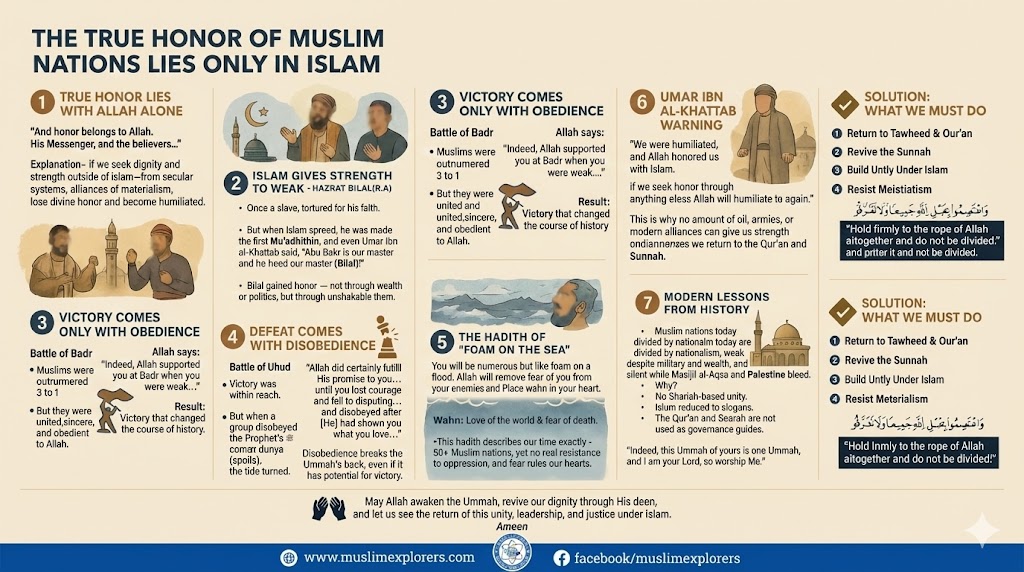
On 29 September 2025, a joint statement was issued by the foreign ministers of Saudi Arabia, Jordan, the UAE, Indonesia, Pakistan, Türkiye, Qatar, and Egypt. Framed as a diplomatic effort toward “peace,” the statement was presented as a responsible, stabilizing intervention. Yet beneath its polished language lies a familiar and troubling reality: the repeated political abandonment of Palestine under the banner of moderation.
Trump as a “Peacemaker”: A Cruel Joke
The statement “welcomes President Donald J. Trump’s leadership” and expresses confidence in his ability to “find a path to peace.” This assertion defies both history and lived Palestinian reality. Trump’s record — from recognizing Jerusalem as Israel’s capital to endorsing annexation and settlement expansion — positioned him not as a neutral mediator, but as an active enabler of occupation.
To present such leadership as peacemaking is not merely misguided; it is a cruel inversion of truth that erases Palestinian suffering while rehabilitating policies that entrenched it.
The Two-State Solution Trap
The ministers reaffirm the two-state solution as the “only path to peace.” Yet this framework has long been exposed as a political trap rather than a viable solution. On the ground, the West Bank is fractured by illegal settlements, military checkpoints, segregated roads, and apartheid walls that make a contiguous, sovereign Palestinian state impossible.
What is repeatedly offered as a diplomatic horizon has, in practice, functioned as a delaying tactic — buying time while irreversible facts are imposed through force.
Equating the Oppressor and the Oppressed
The statement calls for a “security mechanism that guarantees the security of all sides.” On the surface, this language appears balanced. In reality, it is deeply dangerous. It places the aggressor and the victim on equal moral ground, erasing the asymmetry between an occupying power and an occupied people.
Such framing transforms oppression into a mutual dispute and resistance into a security threat — a narrative that has long been used to justify violence against Palestinians while denying them the right to self-defense.
The Politics of Humanitarian Aid
Emphasis is placed on “unrestricted humanitarian aid” and “rebuilding Gaza.” While aid is essential for survival, history has shown that aid without sovereignty becomes a tool of control. Reconstruction without freedom merely prepares the ground for the next cycle of destruction.
Aid that does not challenge the structures of occupation risks converting injustice into a permanent humanitarian project — managing suffering rather than ending its cause.
A Familiar Pattern of Betrayal
From the Oslo Accords to the Camp David talks, from the Abraham Accords to the so-called “Deal of the Century,” the Muslim world has witnessed the same pattern repeated:
- Diplomatic language of “peace” masking injustice
- Promises of “statehood” emptied of substance
- Normalization replacing accountability
Each iteration moves the conversation further away from liberation and closer to permanent occupation disguised as compromise.
The Real Solution
Peace cannot be negotiated into existence while injustice remains intact. A real solution begins with principles, not optics:
- End the occupation.
- Hold Israel accountable for war crimes.
- Uphold the right of return for Palestinian refugees.
Conclusion: Liberation, Not Charity
Palestinians do not need charity at the price of their freedom. They do not need aid that stabilizes their oppression or diplomacy that normalizes their dispossession. What they need — and have always demanded — is liberation from occupation.
Peace without justice is not peace. It is merely the quiet management of injustice.